
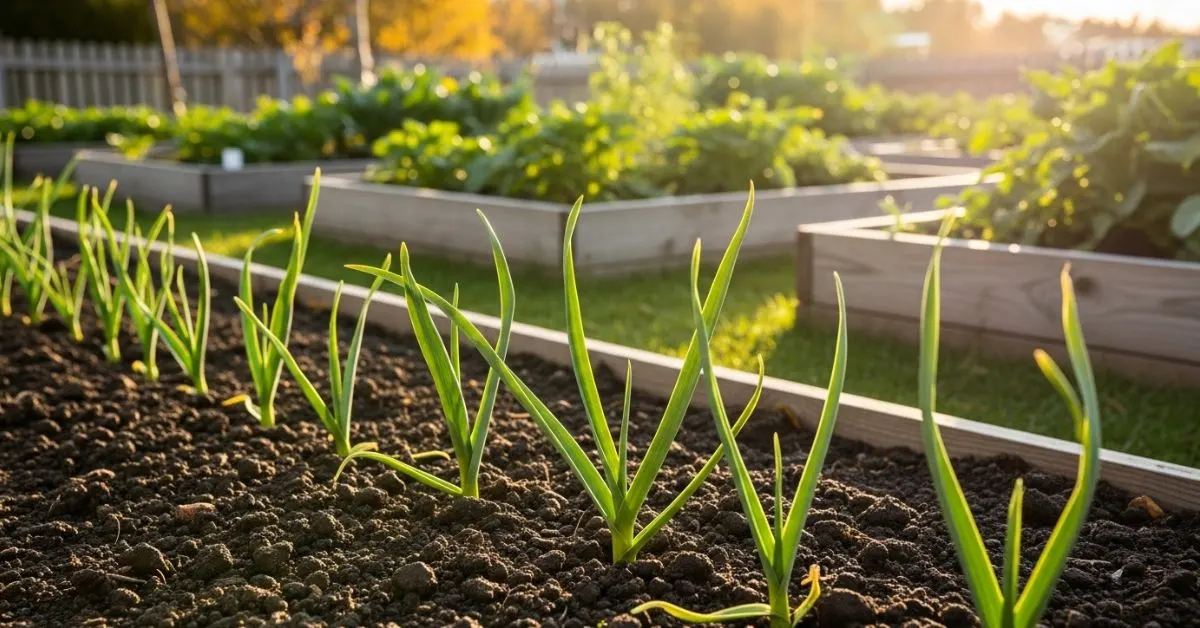
Growing Garlic in Fall: A Complete Guide for Home Gardeners
Garlic is one of the most loved ingredients in kitchens around the world. From Italian pasta to homemade curries, its flavor transforms ordinary meals into something special. But garlic is more than just taste. It also brings countless health benefits, from boosting immunity to improving heart health. For gardeners in the USA and UK, growing garlic in fall is one of the smartest choices you can make.
Why? Because planting in fall takes advantage of the cooler weather, gives roots time to settle before winter, and ensures large, flavorful bulbs when harvest season comes around. If you’ve been thinking about adding garlic to your garden, this guide will walk you through every step, from choosing varieties to storing your harvest.
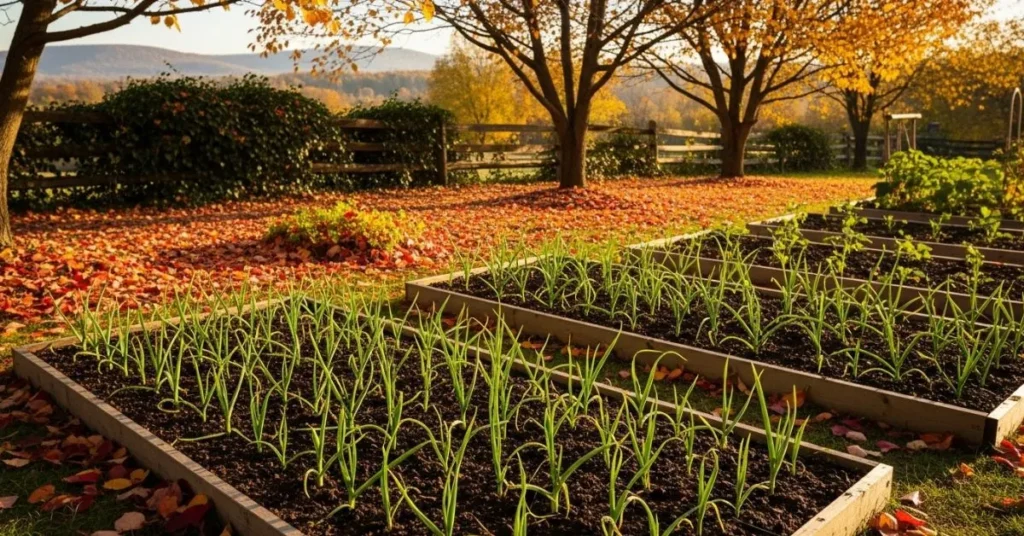
Why Fall is the Best Season for Growing Garlic in Fall
Planting garlic in fall has clear advantages. In cooler climates like the US and UK, garlic cloves planted in autumn get enough time to develop strong root systems before winter sets in. When spring arrives, they grow quickly and produce larger bulbs.
Spring planting is possible, but the bulbs are often smaller and less flavorful. If you want a dog friendly backyard plant-style effect (safe, easy, long-lasting), garlic fits perfectly into your garden plan. Choosing fall gives you stronger plants with better flavor and a much higher yield.
Choosing the Right Garlic Varieties for Fall Planting
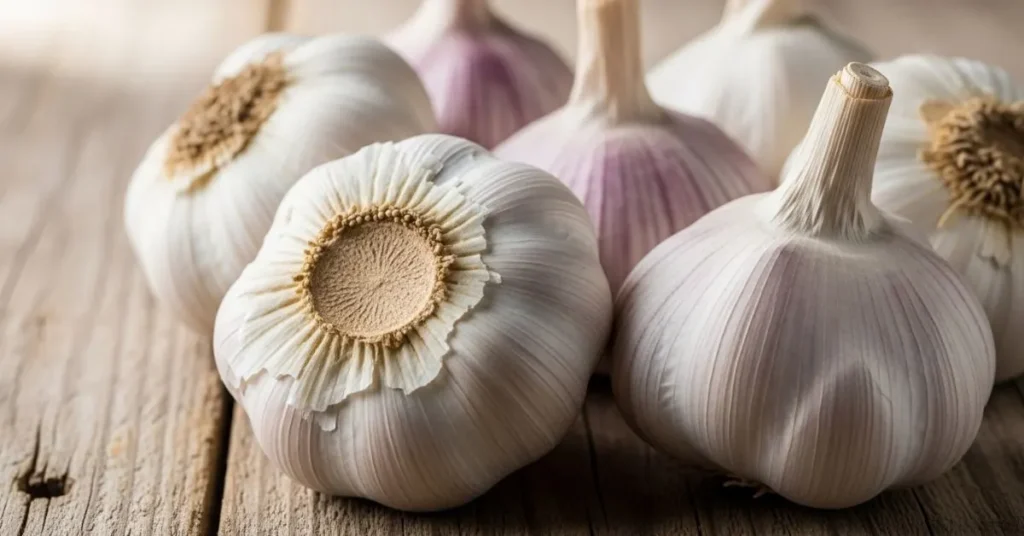
One of the first steps in growing garlic in fall is choosing the right type of garlic.
-
Hardneck Garlic: Best for colder climates like northern USA or UK. They produce fewer but larger cloves with bold flavors.
-
Softneck Garlic: Better for milder climates. These store longer and are often used in grocery stores.
For gardeners in the USA and UK, a mix of both can give you variety in taste and storage. If you want garlic that lasts through winter storage, softneck is the way to go. But if you love bold flavor, hardneck garlic will impress.
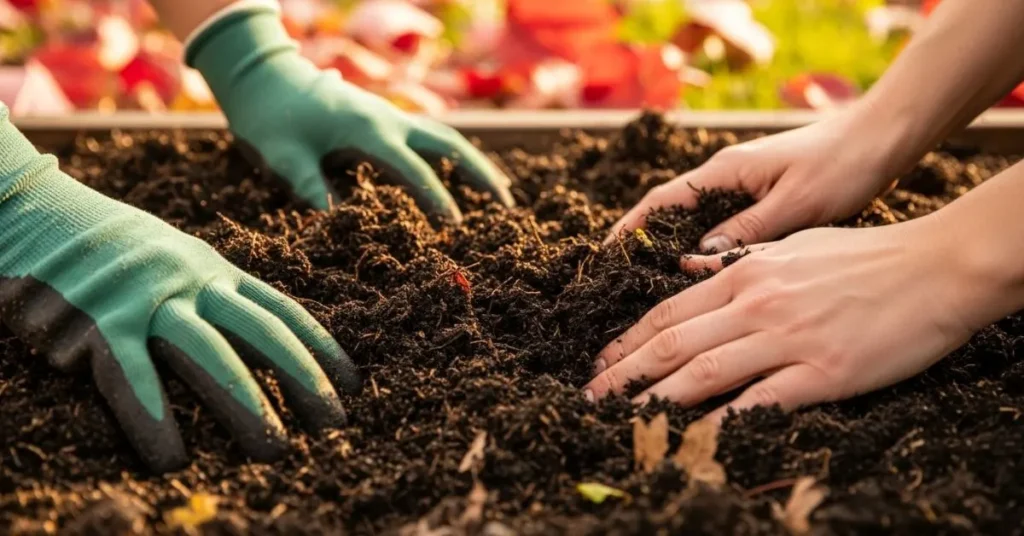
Soil Preparation for Fall Garlic Planting
Garlic thrives in soil that is loose, well-drained, and full of organic matter. Clay-heavy or waterlogged soils can rot cloves before they sprout. To prepare soil:
-
Add compost or aged manure to improve fertility.
-
Check pH-garlic prefers slightly acidic to neutral soil (6.0–7.0).
-
Remove weeds to reduce competition.
If you’re just starting out, improving your soil with organic matter works wonders. You can also learn more about soil basics in our detailed guide on Indoor Plant Care.
How to Plant Garlic in Fall (Step-by-Step Guide)
-
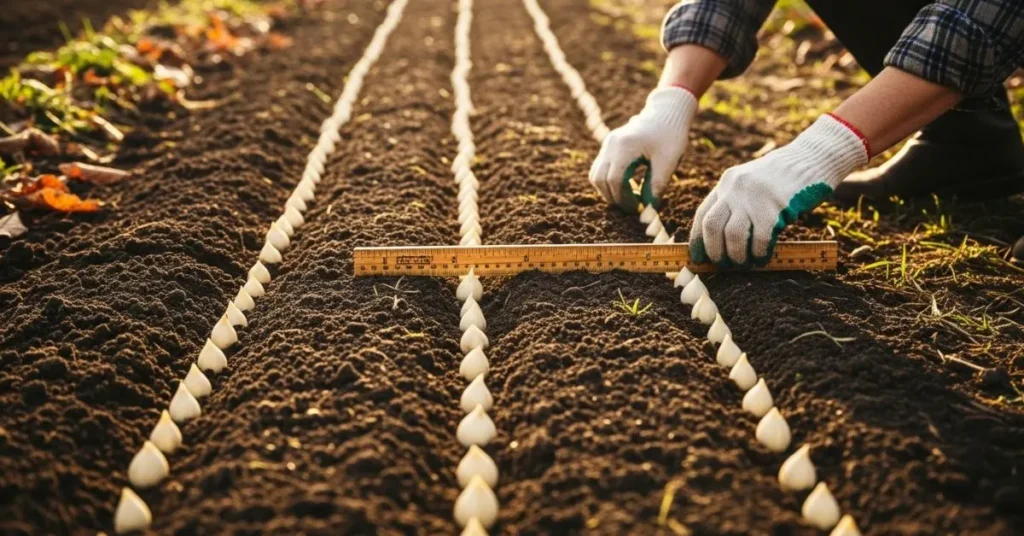
Timing: Plant 4–6 weeks before the ground freezes. In the UK, this is usually October. In the northern USA, late September to mid-October works best.
-
Clove Selection: Choose the biggest, healthiest cloves from garlic bulbs. Avoid damaged or tiny cloves.
-
Planting Depth and Spacing: Plant cloves 2 inches deep and about 6 inches apart. Pointy side up.
-
Watering: Water thoroughly after planting to settle the soil.
Planting garlic isn’t complicated, but timing and spacing make all the difference. Beginners can find additional inspiration from Gardening Tips for Beginners.
Companion Planting with Garlic in Fall
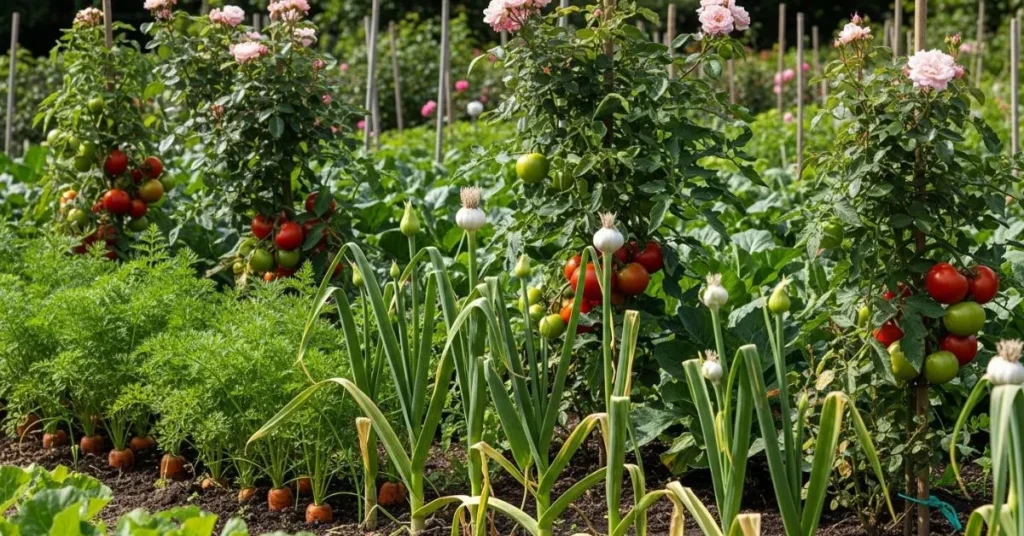
Garlic doesn’t just grow well-it helps protect your garden. Its strong smell repels pests like aphids and beetles. That’s why it works beautifully with vegetables and flowers.
-
Good Companions: Tomatoes, carrots, and roses.
-
Bad Companions: Beans and peas (they struggle with garlic nearby).
When you combine garlic with tomatoes, you get double benefits. But remember, timing matters. Learn more in our guide When to Pick Tomatoes.
Fertilizing Garlic in Fall for Strong Growth
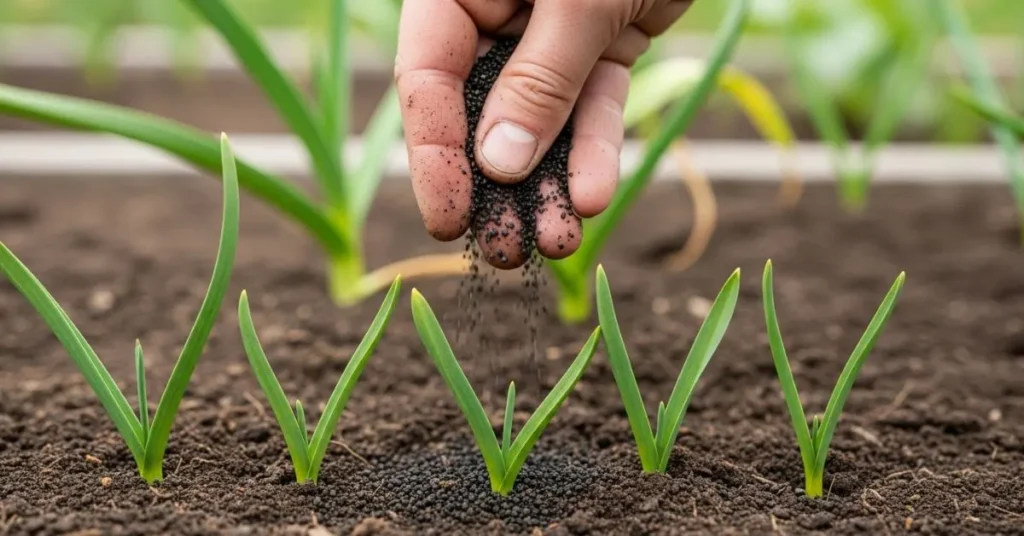
Garlic is a heavy feeder. To get big bulbs, you’ll need to fertilize it.
-
Use a nitrogen-rich fertilizer when planting.
-
Side-dress with compost or natural fertilizer during early spring.
For more seasonal planting and fertilizing tips, visit our Seeds and Planting section.
Mulching Garlic for Winter Protection
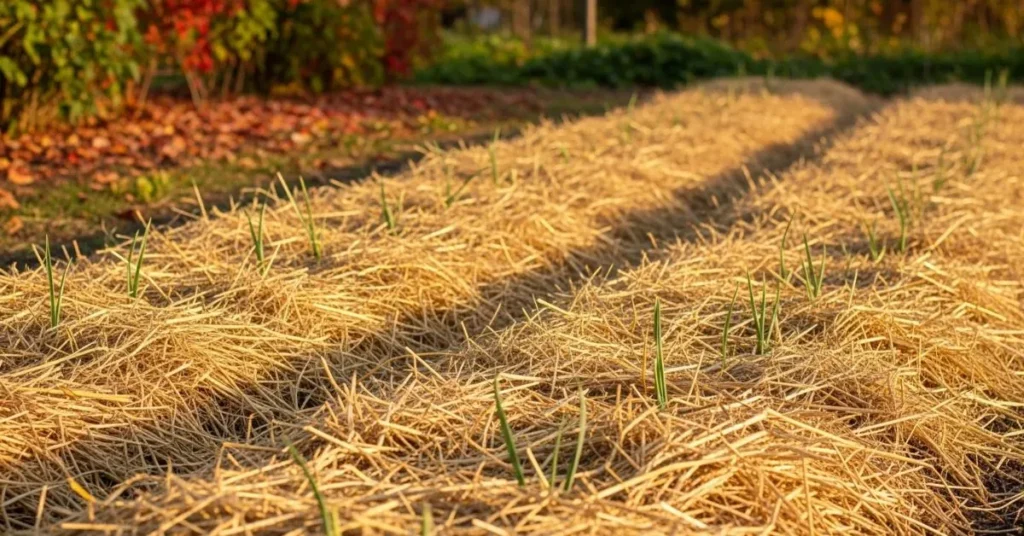
Mulch is critical when growing garlic in fall-especially in cold regions. Mulching insulates cloves, prevents frost heaving, and keeps moisture levels steady.
Best mulch materials include:
-
Straw
-
Shredded leaves
-
Pine needles
Apply a 3-4 inch layer right after planting. This simple step protects your garlic all winter long.
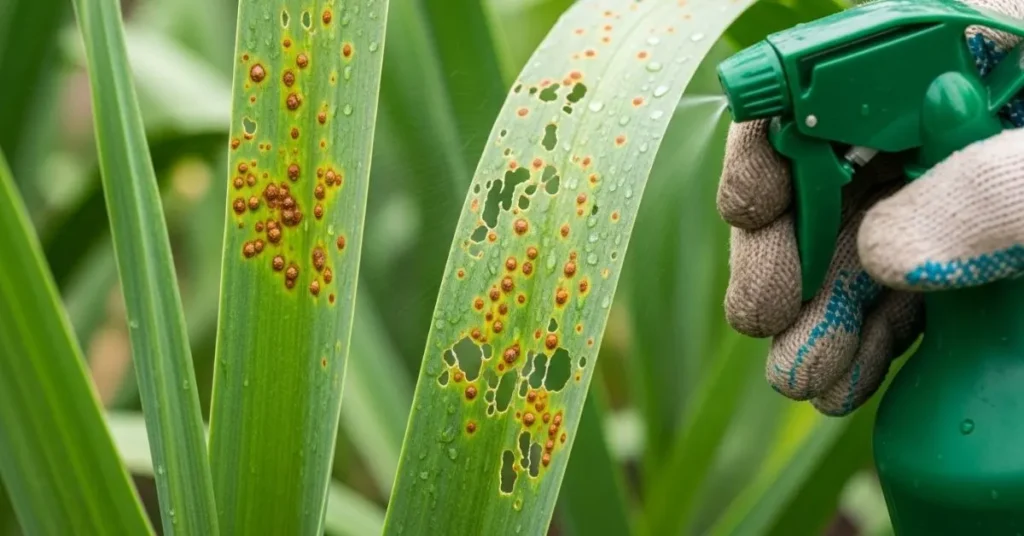
Common Garlic Diseases and Pests in Fall
Like all crops, garlic can face problems. But knowing them early helps prevent damage.
-
Diseases: White rot, rust, and downy mildew.
-
Pests: Onion maggots and nematodes.
Solutions include crop rotation, well-drained soil, and natural treatments like neem oil. Garlic itself repels many pests, making it one of the easiest crops for beginners.
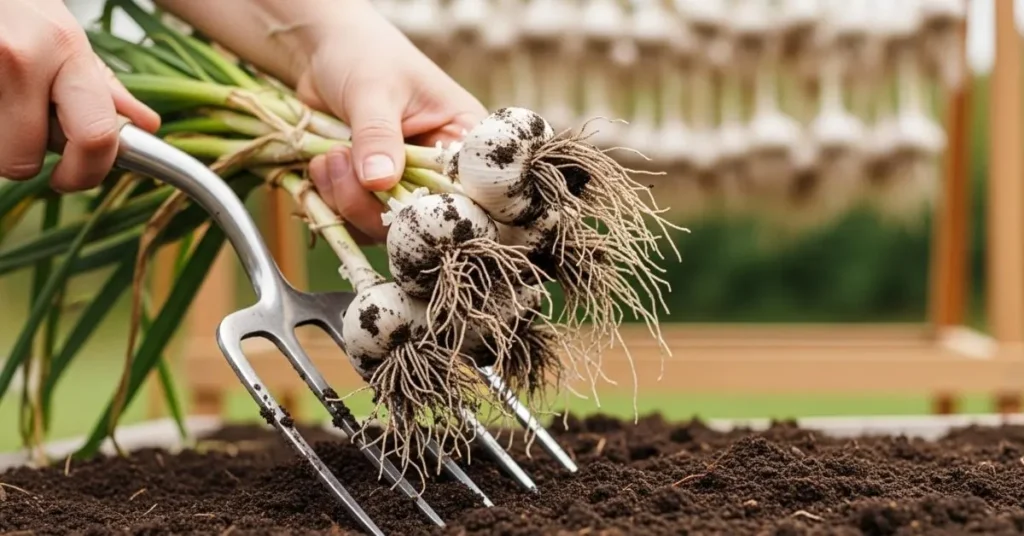
Harvesting and Storing Garlic After Fall Planting
By late spring or early summer, your fall-planted garlic will be ready. You’ll know it’s time when:
-
Leaves turn yellow and begin to dry.
-
Bulbs feel firm when gently squeezed.
Harvest carefully with a garden fork. Once harvested, cure garlic by letting it dry in a shaded, airy place for 2–3 weeks. Properly stored, garlic lasts for months.
If space is tight, garlic can also thrive in pots. Check out our guide Grow Vegetables in Pots for inspiration.
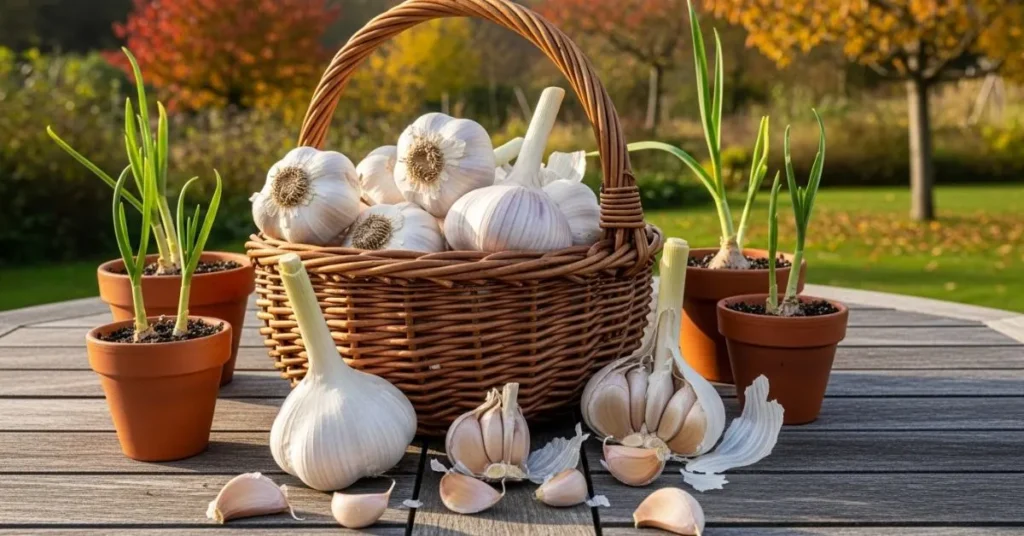
Advanced Tips for Growing Garlic in Fall
-
Save your biggest cloves for next year’s planting.
-
Try growing garlic in containers if you live in a city.
-
Experiment with succession planting to extend your harvest.
These little adjustments will make your garden more productive year after year.
Final Thoughts on Growing Garlic in Fall
From soil preparation to harvest, growing garlic in fall is one of the most rewarding gardening experiences. It doesn’t take much effort, yet the results are amazing: bigger bulbs, stronger flavors, and months of kitchen-ready garlic.
Start with a few cloves this fall, and you’ll soon see why so many gardeners in the USA and UK swear by fall planting.
For more seasonal gardening ideas, visit our Seeds and Planting section or explore more guides on Seeds Gardening.
FAQs Growing Garlic in Fall
[sp_easyaccordion id=”682″]