
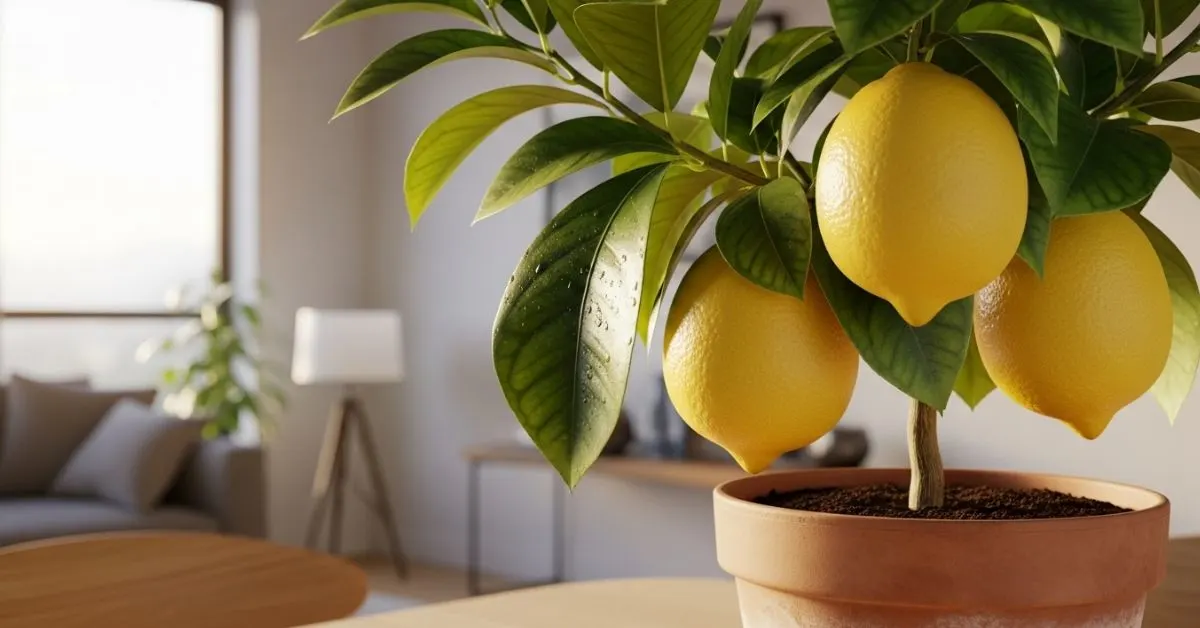
How to Grow Lemons Indoors for a Continuous Citrus Harvest
Growing your own lemons indoors might sound challenging, but it’s easier than most people think. For gardeners in the USA and UK, where outdoor citrus growing is limited by climate, indoor lemon trees offer a way to enjoy year-round fruit and the joy of having fresh citrus at your fingertips. With the right care, you can grow lemons indoors that are just as vibrant and flavorful as those from sunny orchards.
This guide covers everything: choosing the best varieties, preparing the right soil, ensuring enough light, watering schedules, pruning, pollination, and harvesting. By the end, you’ll know exactly how to create your own continuous supply of homegrown lemons indoors.
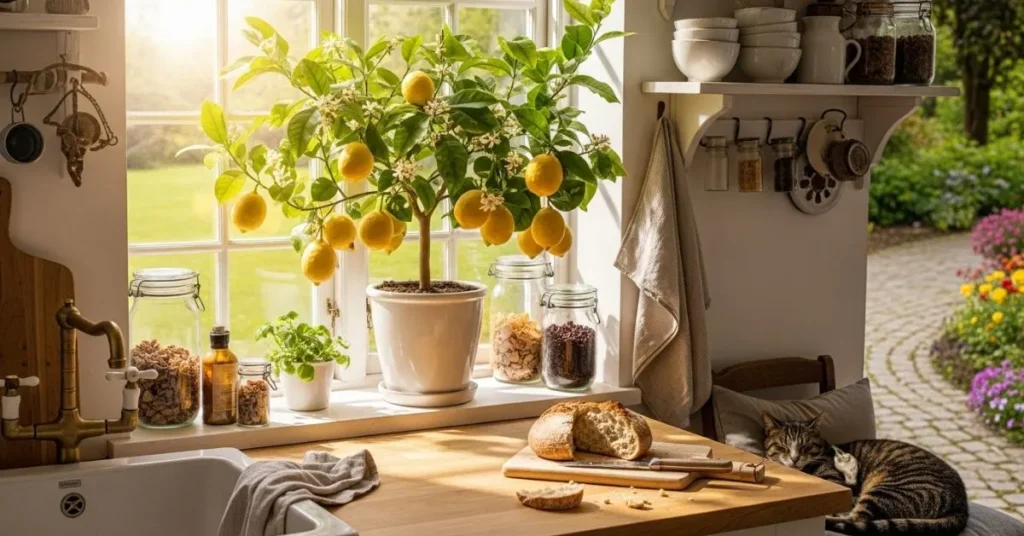
Why Choose to Grow Lemons Indoors
For many households, lemons are a kitchen essential. From morning tea to evening cocktails, their sharp flavor makes meals brighter. But store-bought lemons are often coated with wax, shipped long distances, and lose freshness on the way. Growing lemons indoors gives you:
-
Fresh, chemical-free fruit
-
A decorative plant that perfumes your home with citrus blossoms
-
The ability to control growing conditions in any season
-
A sense of satisfaction from harvesting your own food
Indoor lemon growing is especially popular in Tier-1 countries like the USA and UK, where winters are too harsh for outdoor citrus trees. By growing indoors, you can overcome climate barriers and still enjoy a continuous citrus harvest.
Best Lemon Varieties for Indoor Growing
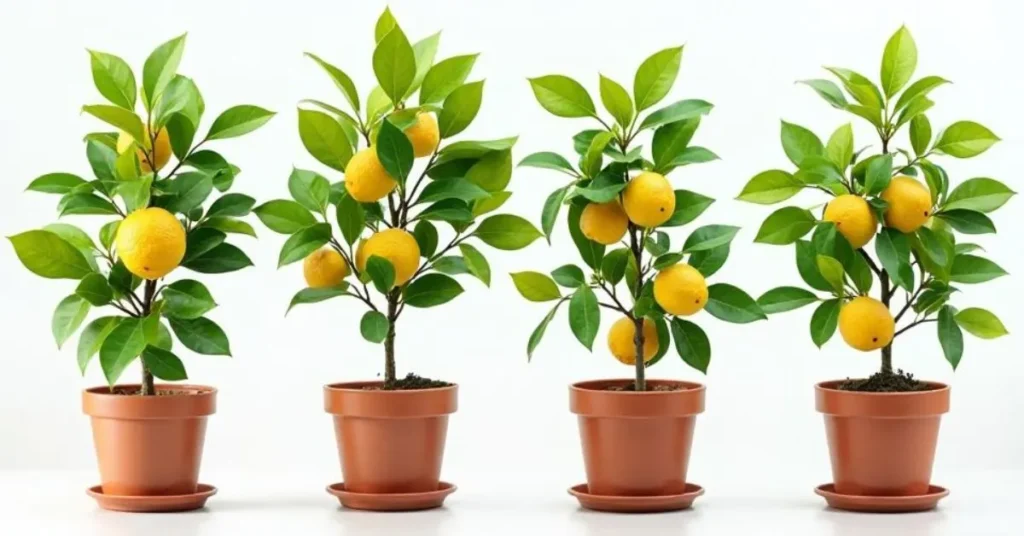
Not all lemon trees thrive indoors. Compact and self-pollinating varieties are best suited for container gardening. Some of the most reliable choices include:
-
Meyer Lemon: A cross between lemons and mandarins, prized for its sweetness and smaller size. Perfect for pots.
-
Ponderosa Lemon: Produces very large fruit but needs a bit more space.
-
Eureka Lemon: Classic tart flavor, works well in indoor setups with strong light.
-
Improved Dwarf Varieties: Specially bred for containers, these stay compact while still producing plenty of fruit.
Choosing the right type is the first step to successful indoor lemon trees.
Preparing the Right Soil and Container
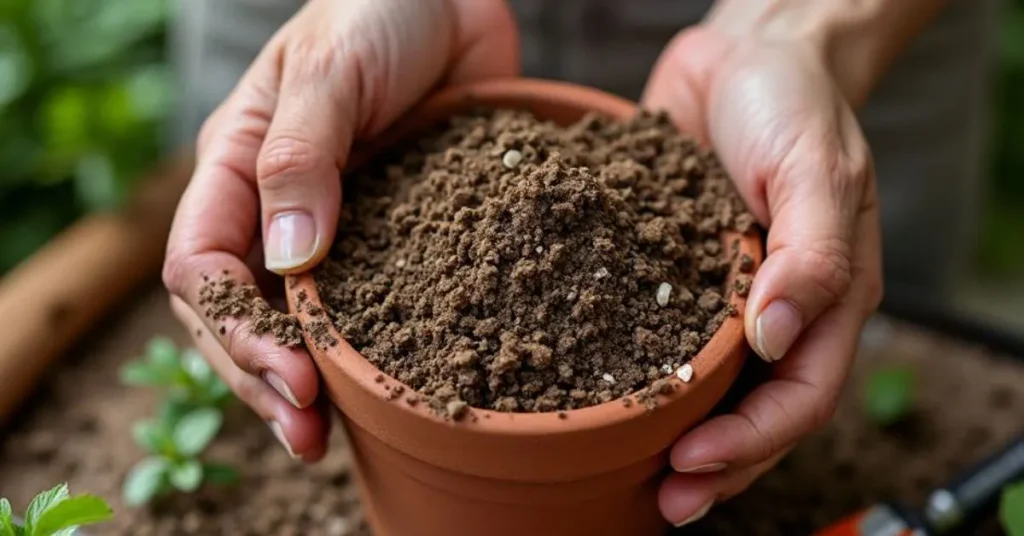
Soil is the foundation of any healthy plant, and lemons are no exception. Indoor lemon trees need well-draining soil rich in organic matter. A good mix includes potting soil blended with perlite or sand for better drainage.
-
Container size: Start with a pot that’s at least 12–15 inches wide, with drainage holes. Upgrade to larger pots as the tree matures.
-
pH requirement: Lemons prefer slightly acidic soil (pH 5.5–6.5). You can test soil easily with a home pH kit.
👉 Soil prep for citrus is similar to other crops too. If you’re new to soil basics, check our Seeds and Planting guide for more tips.
Light and Temperature Requirements
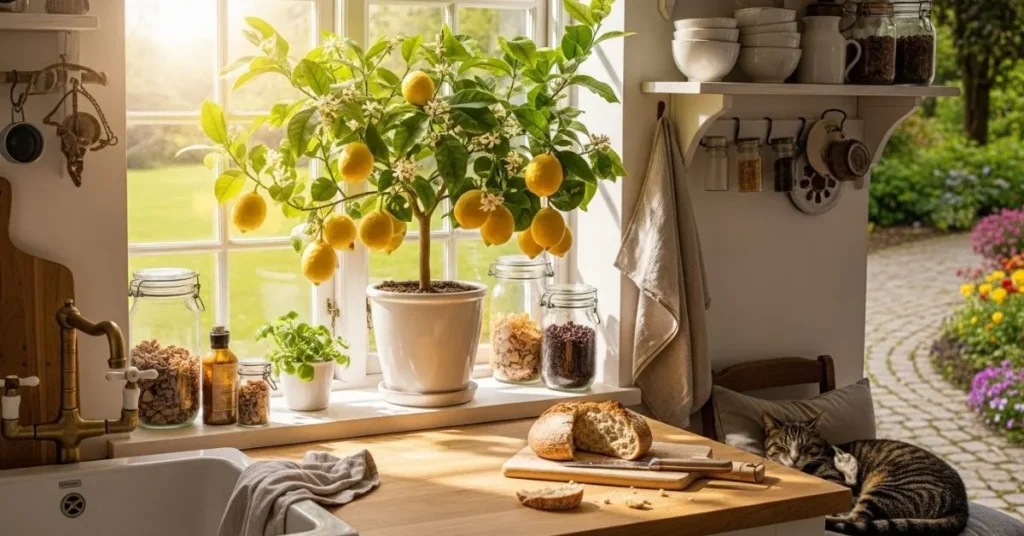
Light is the single most important factor for growing lemons indoors. Without enough, the tree won’t flower or produce fruit.
-
Sunlight: Place your tree near a south-facing window where it can get at least 8–10 hours of light daily.
-
Artificial grow lights: In darker winters (especially in the UK), use full-spectrum LED grow lights to supplement.
-
Temperature: Lemons love warmth. Keep the room between 65–75°F (18–24°C). Avoid placing the plant near cold drafts or heating vents.
A consistent environment ensures continuous blooming and fruiting cycles.
Watering and Fertilizing Indoor Lemons
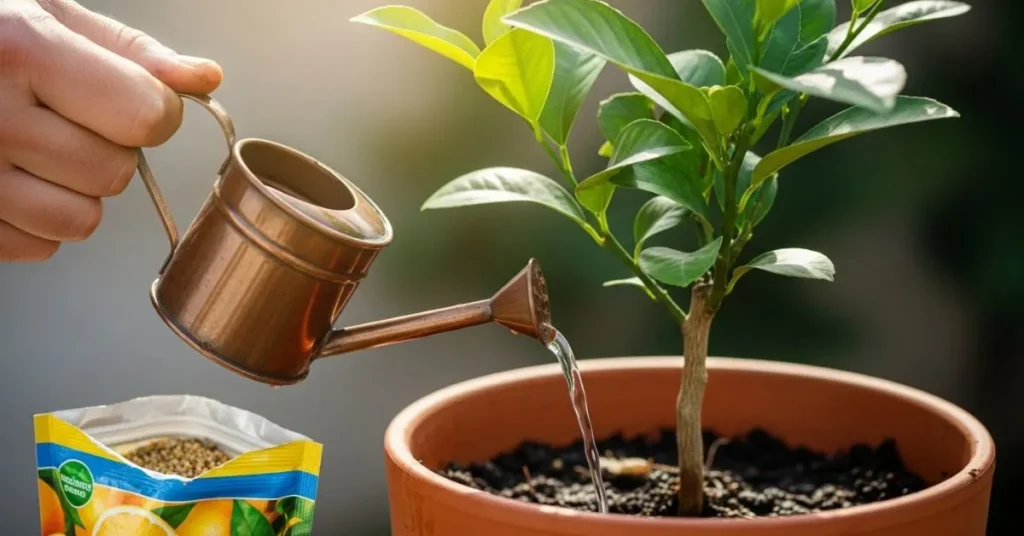
Overwatering is the most common mistake new growers make. Lemons don’t like soggy roots.
-
Watering: Water deeply only when the top inch of soil feels dry. In winter, reduce frequency.
-
Fertilizer: Use a citrus-specific fertilizer rich in nitrogen, magnesium, and iron. Feed every 4–6 weeks during the active growing season.
-
Organic boost: Compost tea or liquid seaweed extract can help maintain strong growth.
Healthy feeding habits lead to more blossoms and a steady supply of lemons.
Pollination Indoors
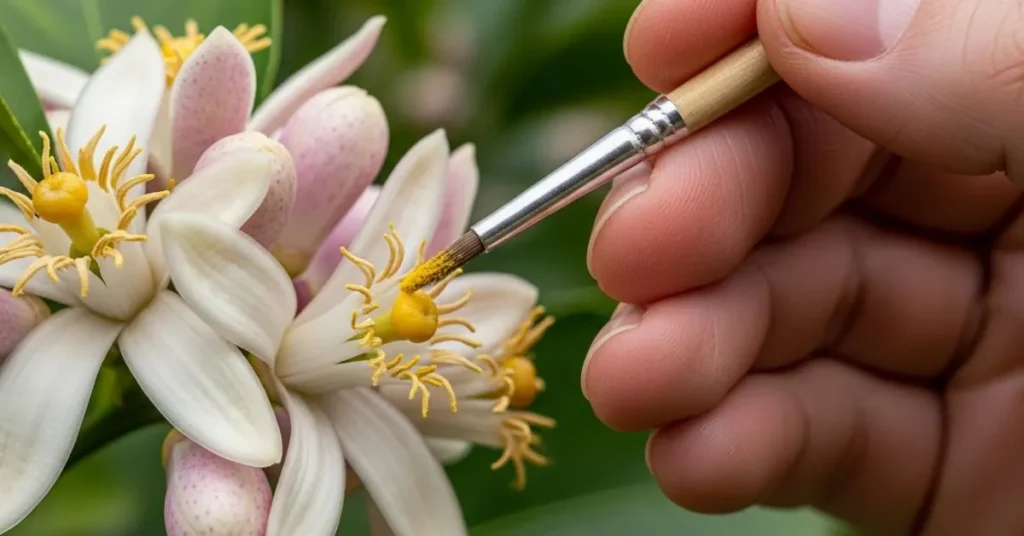
Unlike outdoor citrus trees that rely on bees, indoor trees may need a little help.
-
Hand pollination: Use a small paintbrush or cotton swab to transfer pollen from one flower to another.
-
Air circulation: Gently shaking branches also helps distribute pollen.
This step is essential for consistent indoor lemon fruiting.
Pruning and Training Lemon Trees
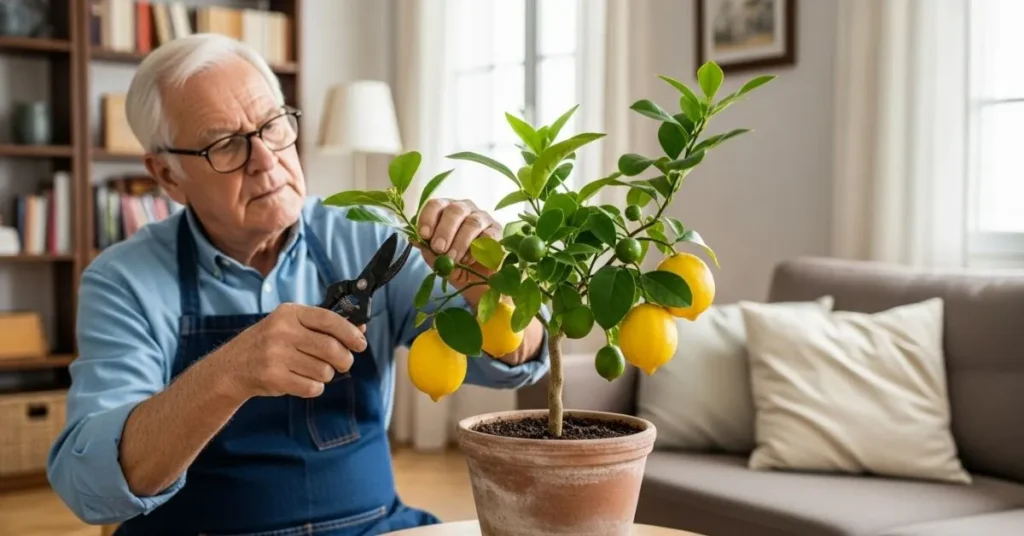
Pruning keeps your tree healthy, productive, and sized right for indoor spaces.
-
Remove any dead or crossing branches.
-
Trim back tall shoots to encourage bushier growth.
-
Shape the tree to fit your indoor space while maintaining airflow.
👉 Just like thyme or tomatoes, pruning is part of long-term success. For vegetables, we cover pruning timing in When to Pick Tomatoes.
Common Problems and Indoor Lemon Tree Care
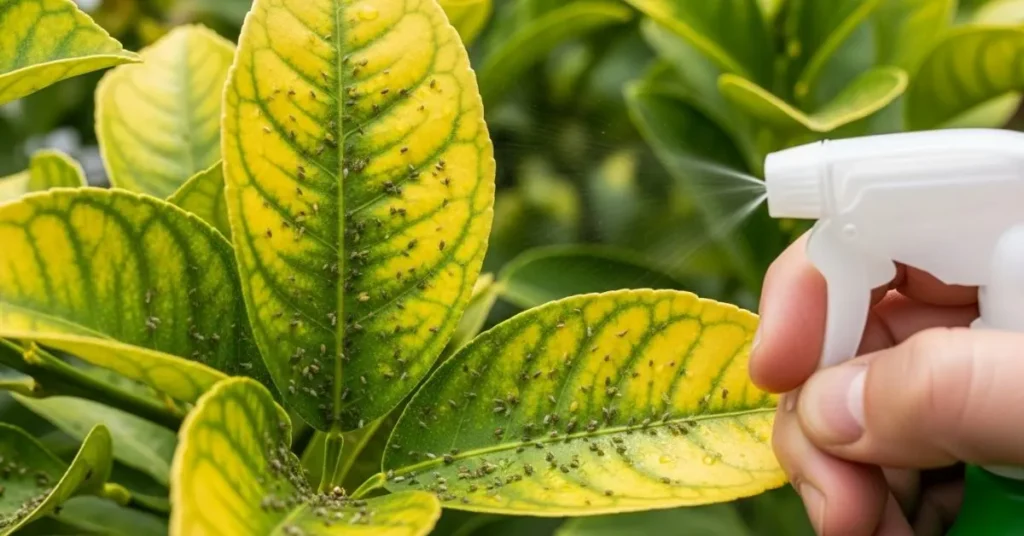
Growing indoors means you’ll avoid many outdoor pests, but some problems may still appear:
-
Spider mites and aphids: Wipe leaves with soapy water or neem oil spray.
-
Yellowing leaves: Usually a sign of overwatering or nutrient deficiency.
-
Lack of fruit: Often caused by insufficient light or poor pollination.
Prevent issues by keeping a close eye on soil moisture, leaf color, and overall growth.
Harvesting and Storing Indoor Lemons
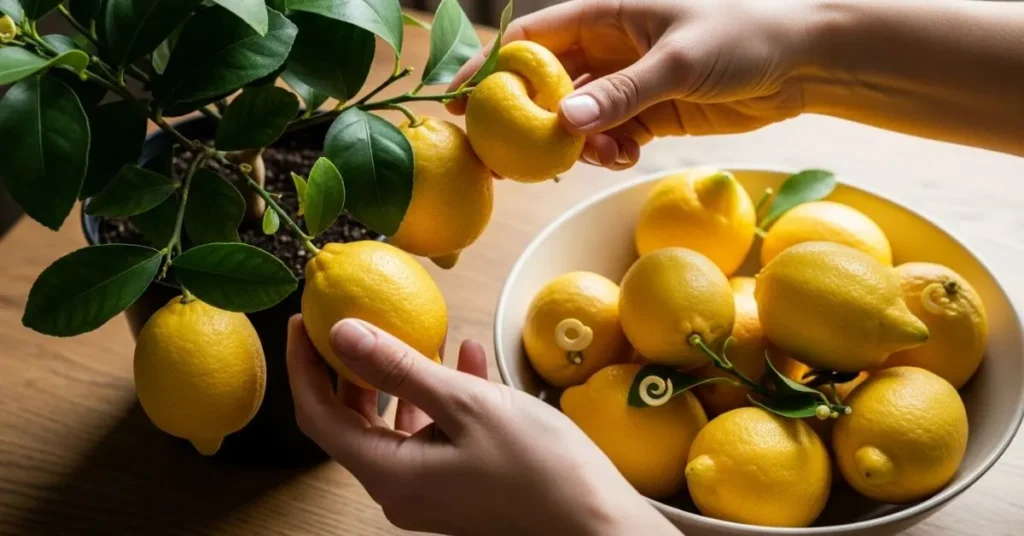
One of the most rewarding moments is harvesting your first lemon.
-
Lemons are ready when they turn fully yellow and feel slightly soft.
-
Twist gently or use pruning shears to cut the stem.
-
Store at room temperature for a week or refrigerate for up to a month.
👉 Herbs and vegetables also require careful harvest timing. Explore more in Grow Vegetables in Pots.
With proper care, a single tree can yield dozens of lemons each year.
Conclusion
Learning how to grow lemons indoors is one of the most rewarding gardening projects for cold climates. With the right container, soil, light, and care, you’ll enjoy blossoms in spring, fruit through the year, and the unmatched taste of fresh lemons grown by your own hands.
Indoor citrus brings not just food, but beauty, fragrance, and joy to your home. If you’re ready to add fresh energy to your gardening journey, start small with a dwarf lemon variety and watch it thrive.
And remember, gardening is all about experimenting and enjoying the process. For more guides, visit our Vegetable Gardening section or return to our Home Page for inspiration.
FAQs How to Grow Lemons Indoors
[sp_easyaccordion id=”707″]