
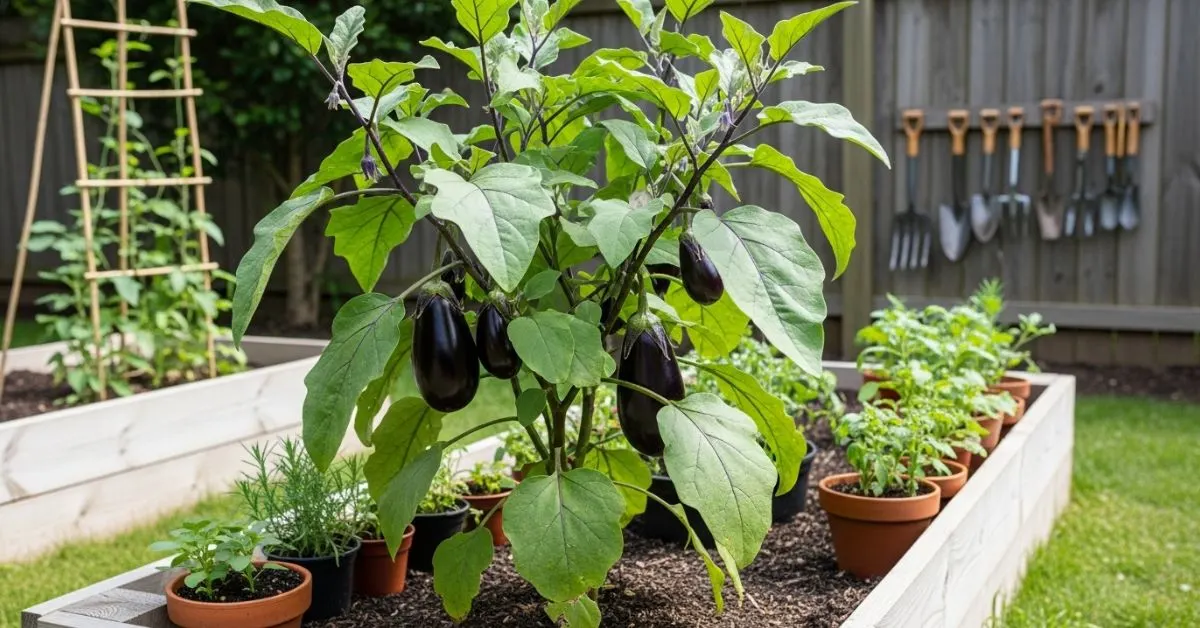
How to Grow Eggplants – Easy Tips for Home Gardeners
Growing eggplants at home is easier than many gardeners think. Whether you have a small backyard or just a few pots on your balcony, you can grow these glossy purple vegetables and enjoy their fresh, rich flavor all summer long. In this guide, you’ll learn how to grow eggplants successfully from seed to harvest, along with tips for soil, watering, sunlight, and pest control.
Understanding Eggplants Before You Start
Eggplants, also known as aubergines, are warm-season crops that love sunlight and warmth. They belong to the same family as tomatoes and peppers, so they need similar growing conditions. Before you start, decide whether you’ll plant them in containers or in your garden bed.
Eggplants prefer:
-
Full sun (at least 6–8 hours daily)
-
Well-drained soil rich in organic matter
-
Warm temperatures (between 70–85°F for best growth)
If you live in a cooler area, start seeds indoors and transplant them once the weather warms up.
Choosing the Right Variety
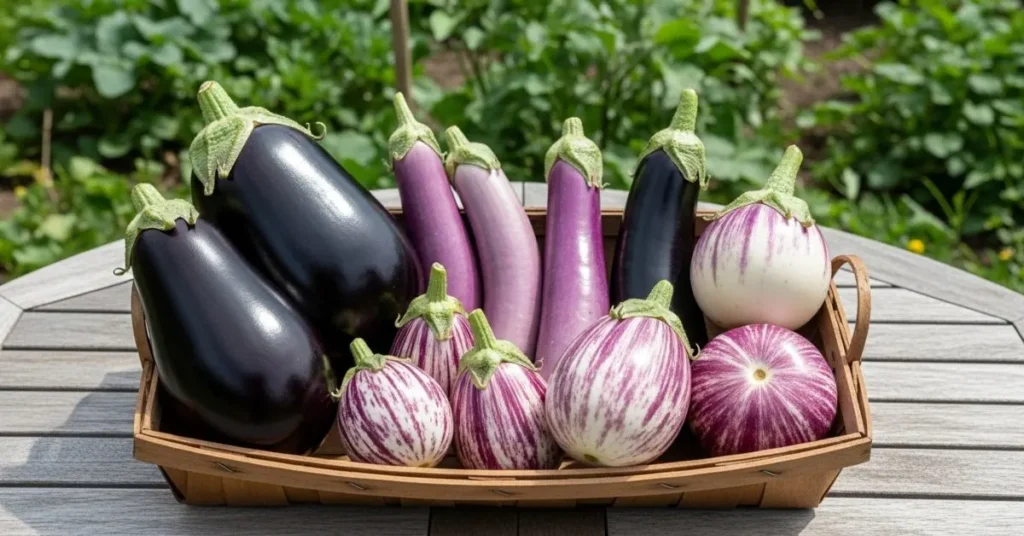
There are several types of eggplants, and each has its own shape, color, and taste. Picking the right one for your garden makes a big difference.
Popular varieties include:
-
Black Beauty – classic large purple eggplant, ideal for gardens
-
Fairy Tale – small, striped fruits that grow fast in containers
-
Rosa Bianca – mild and creamy Italian variety
-
Ichiban – slender Japanese eggplant perfect for smaller spaces
When deciding how to grow eggplants, consider your local climate and space. Compact or dwarf varieties work best in pots, while traditional ones thrive in open soil.
Preparing Soil and Containers
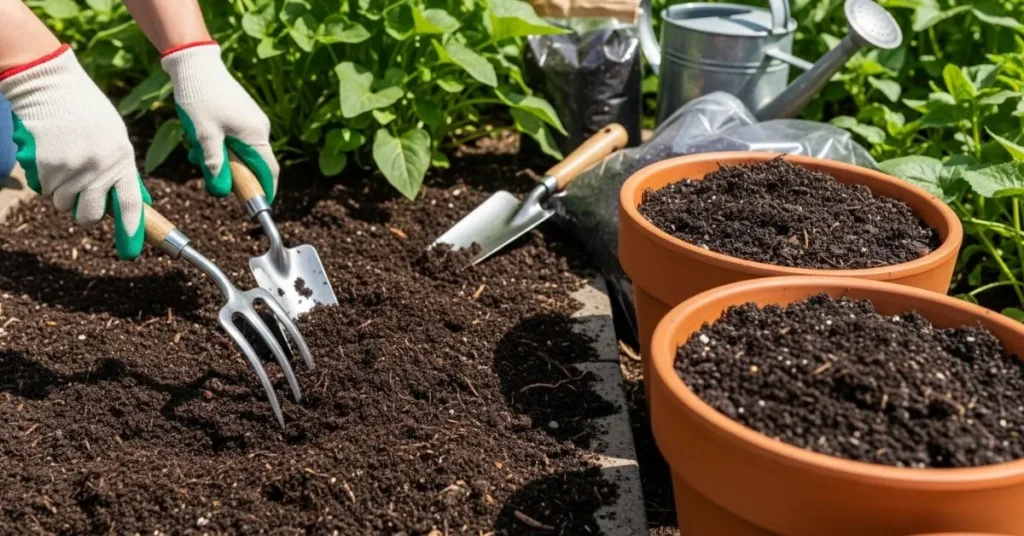
Eggplants need rich, well-draining soil to develop strong roots and healthy fruits. If your garden soil is heavy clay or poor in nutrients, you can improve it by mixing in compost or aged manure.
Steps to prepare soil:
-
Loosen the soil to about 12–15 inches deep.
-
Mix in organic compost to improve drainage.
-
Check the pH – eggplants prefer slightly acidic soil (around 6.0–6.8).
If you plan to grow in containers, choose pots that are at least 14–16 inches wide and have good drainage holes. Use high-quality potting mix enriched with organic fertilizer.
Starting from Seeds
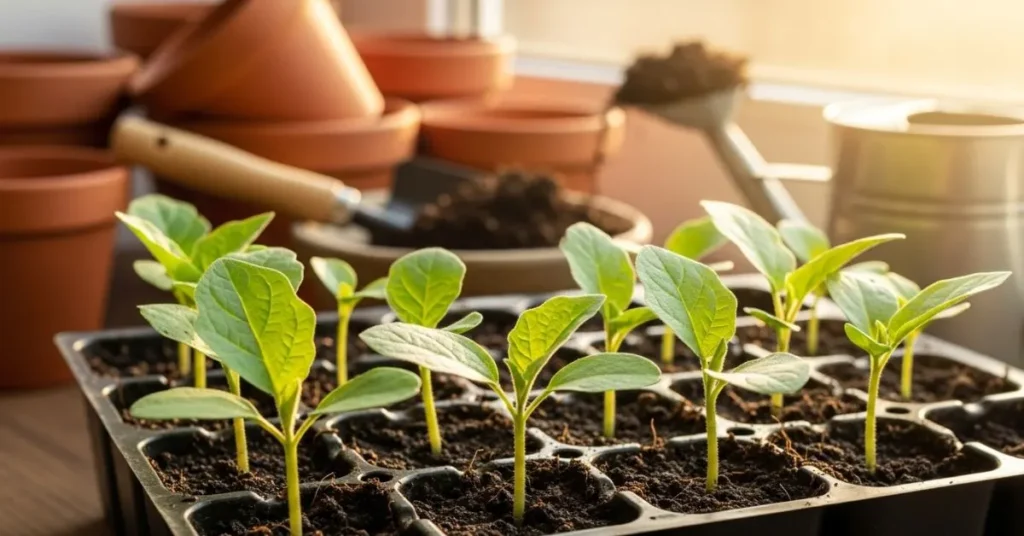
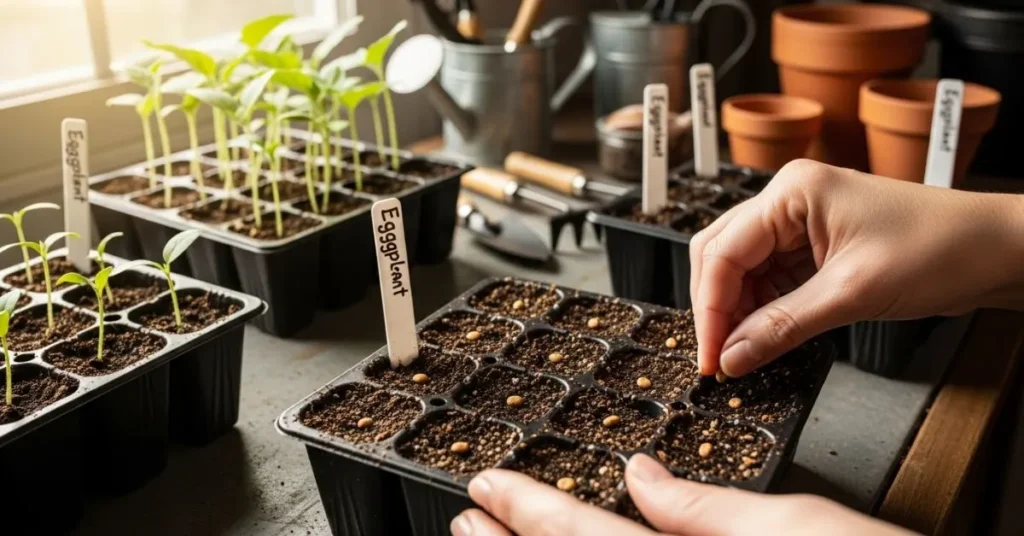
When learning how to grow eggplants, starting from seed gives you more control over the growing process. Eggplants can be started indoors about 8 to 10 weeks before the last frost.
Here’s how to start seeds successfully:
-
Sow seeds ¼ inch deep in seed trays filled with moist seed-starting mix.
-
Keep them warm (75–85°F) and ensure good light exposure.
-
Germination usually takes 7–14 days.
-
Once seedlings have 2–3 true leaves, transplant them into larger pots.
Before planting outside, harden off your seedlings by placing them outdoors for a few hours each day to help them adapt to sunlight and temperature changes.
Transplanting Eggplants Outdoors
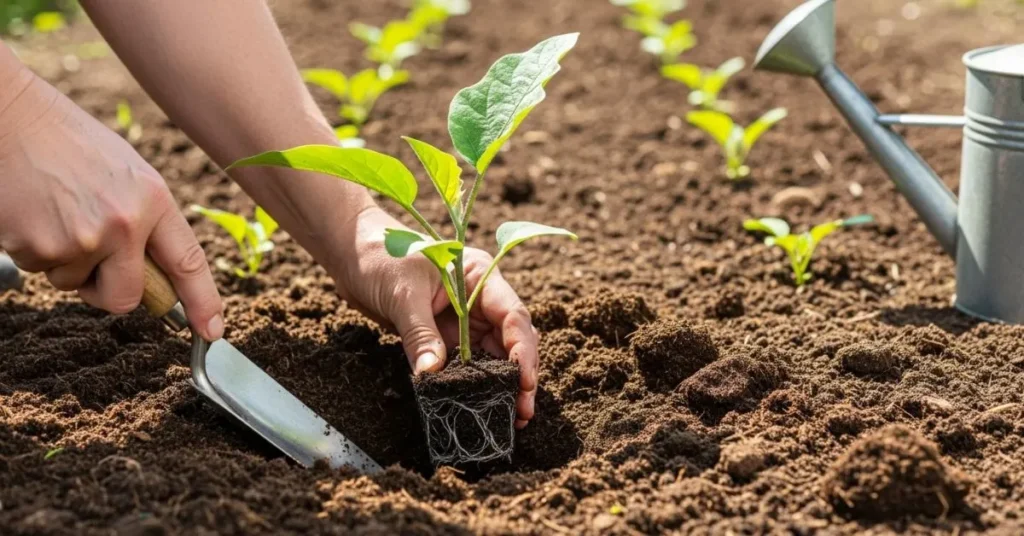
Wait until the soil is fully warm before moving seedlings outside. Night temperatures should stay above 60°F. Plant them about 18–24 inches apart in rows that are 2–3 feet apart.
When transplanting:
-
Add compost or slow-release fertilizer into each hole.
-
Bury the plant slightly deeper than it was in the pot.
-
Water immediately after planting.
For container plants, move the pots to a sunny spot with at least 6 hours of sunlight daily. If the weather is windy, provide some support using stakes or cages.
Watering and Feeding Your Plants
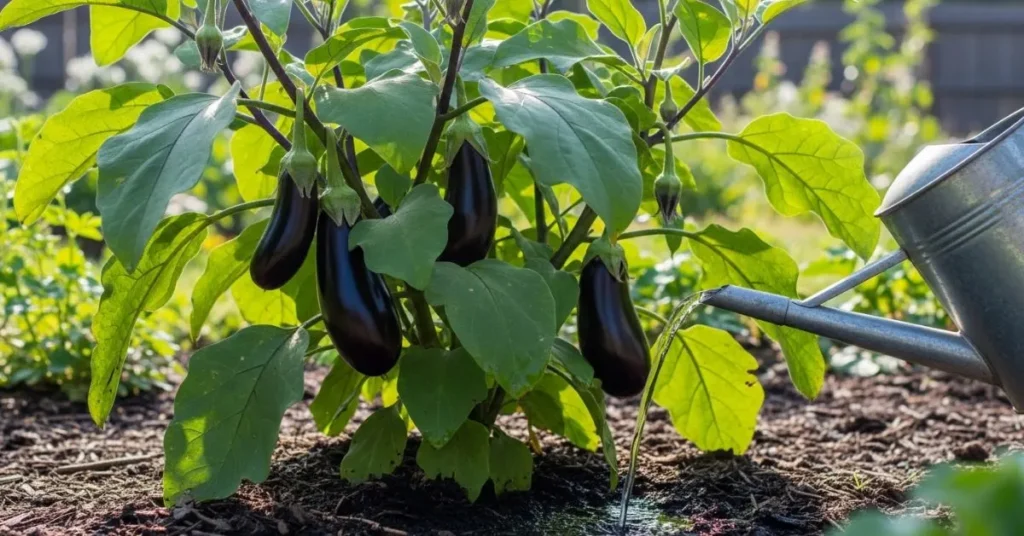
Consistent watering is essential. Eggplants don’t like dry soil, but they also don’t want to sit in water. A good rule is to water deeply once or twice a week, depending on the weather.
To keep the soil moist:
-
Use mulch (straw or dry leaves) around the base.
-
Water early in the morning.
-
Avoid watering the leaves to prevent fungal problems.
Feed eggplants with a balanced fertilizer every 2–3 weeks. A fertilizer high in potassium and phosphorus supports flowering and fruiting.
Managing Sunlight and Temperature
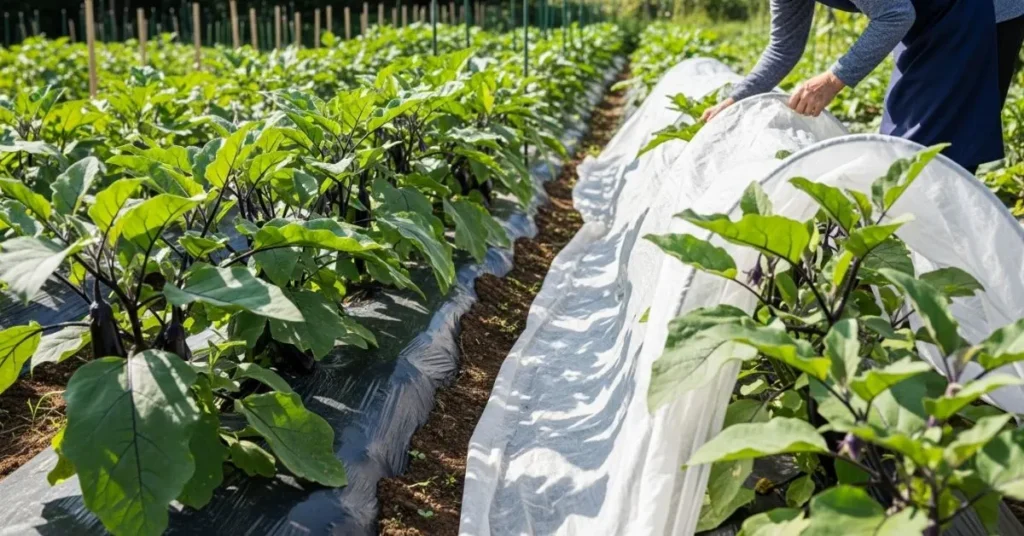
Eggplants are sun-loving plants. They need at least 6–8 hours of sunlight daily for healthy growth. In cooler regions, consider using black plastic mulch or garden fabric to keep the soil warm.
If temperatures drop below 55°F, growth slows down. In that case:
-
Use a row cover or cloche to protect your plants.
-
Move containers indoors at night if possible.
In extremely hot weather (above 95°F), flowers may drop. Regular watering and shading during the hottest hours can help.
Common Pests and Diseases
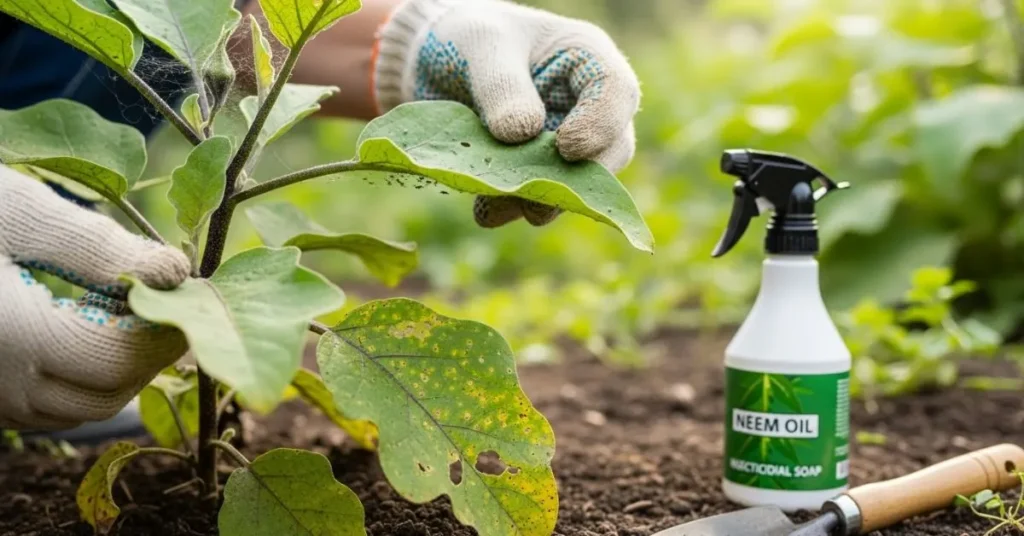
When you learn how to grow eggplants, pest control is one area you can’t ignore. Eggplants attract several garden pests, but most can be managed easily.
Common pests include:
-
Aphids
-
Flea beetles
-
Spider mites
-
Whiteflies
To control them:
-
Use neem oil or insecticidal soap.
-
Encourage beneficial insects like ladybugs.
-
Keep your garden clean and weed-free.
Common diseases:
-
Verticillium wilt
-
Powdery mildew
-
Blight
Prevent these by rotating crops and avoiding overhead watering. Always remove infected leaves immediately.
Supporting and Pruning Eggplants
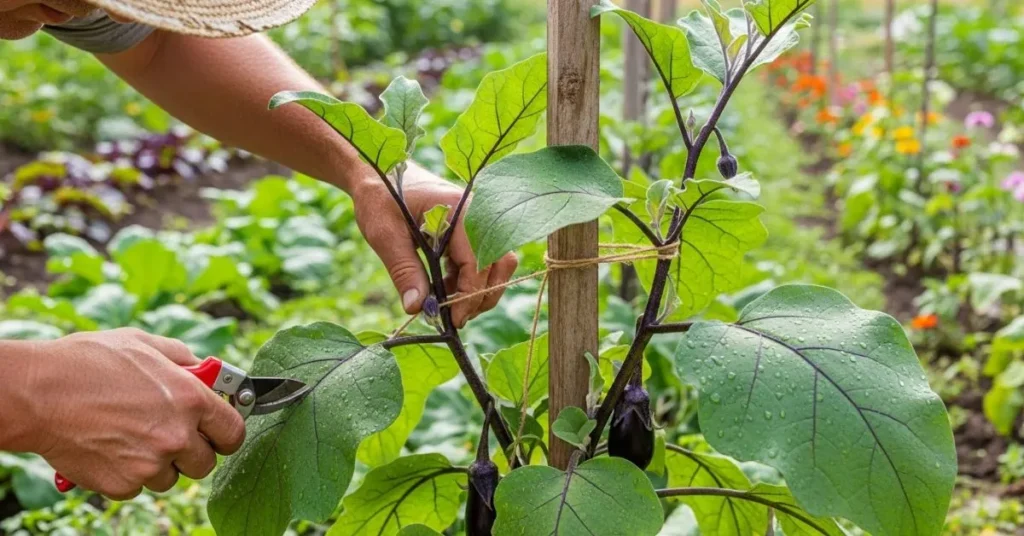
Eggplant plants can become heavy when fruits develop. Supporting them with stakes or cages prevents the stems from breaking.
Pruning helps the plant focus energy on producing quality fruits. Remove:
-
The lowest leaves touching the soil
-
Small side shoots that crowd the center
-
Weak or diseased stems
A well-pruned eggplant gets more sunlight and air, reducing disease risk and improving yield.
Harvesting Eggplants
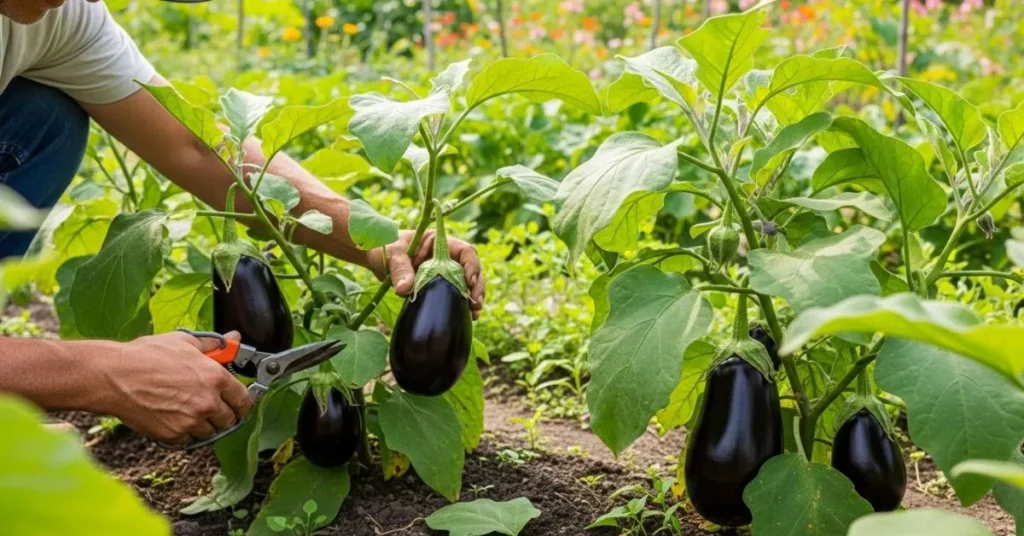
Eggplants are ready for harvest about 70–90 days after transplanting. The skin should be glossy and firm. Overripe fruits turn dull and may taste bitter.
Tips for harvesting:
-
Cut the fruit with sharp scissors or a knife.
-
Leave a short stem attached.
-
Handle gently to avoid bruising.
Frequent harvesting encourages the plant to produce more fruits, extending your yield throughout the season.
Storing and Using Fresh Eggplants
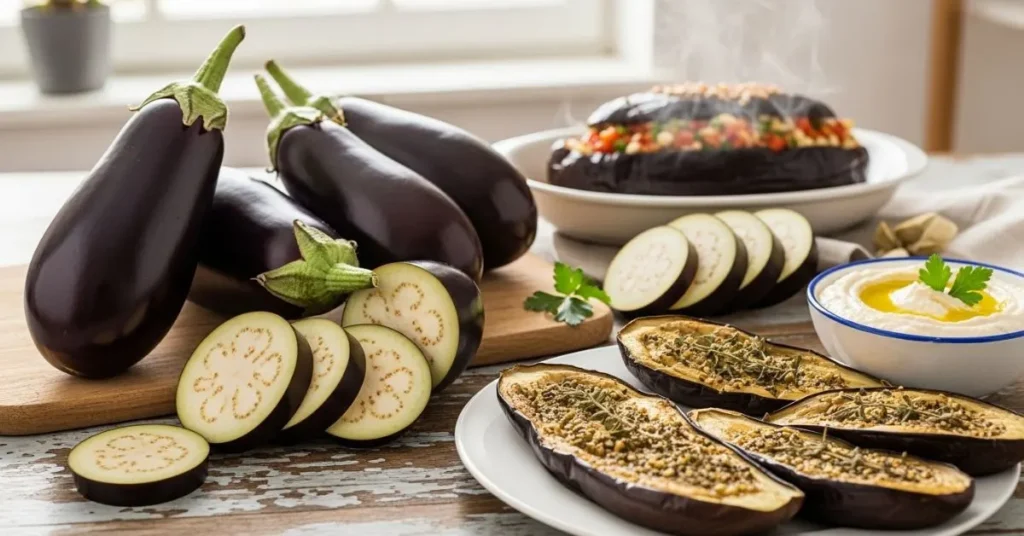
After harvesting, store eggplants in a cool, dry place. They can last up to one week in the refrigerator. For longer storage, you can freeze them after blanching or roast and preserve them in olive oil.
Eggplants are versatile in the kitchen, perfect for grilling, roasting, baking, or making dishes like baba ganoush, ratatouille, or stuffed eggplant.
Final Thoughts
Learning how to grow eggplants gives you fresh produce and the satisfaction of growing your own food. With proper sunlight, regular watering, and a bit of care, you can enjoy abundant harvests even in small spaces.
If you’re just starting, try growing them in pots or raised beds first. Once you get the hang of it, you’ll find eggplants are one of the most rewarding crops to grow at home.
For more helpful guides, visit Seeds and Planting and Vegetable Gardening for detailed tips on home-grown produce.
FAQs How to Grow Eggplants
[sp_easyaccordion id=”959″]