Seeds Gardening – A Complete Guide for Every Home Garden
Introduction to Seeds Gardening
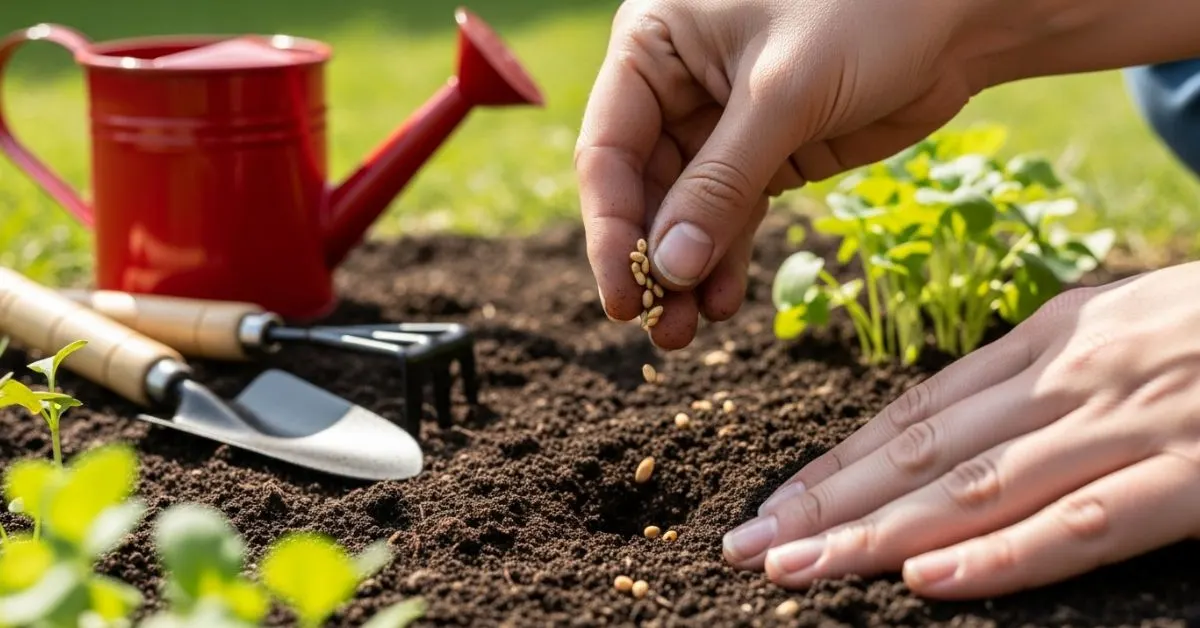
If you want to experience the true joy of gardening, nothing beats starting from a tiny seed. Seeds Gardening is not just affordable, it is also deeply rewarding because you get to see the entire life cycle of a plant. From sprouting the first leaves to harvesting flowers, herbs, or vegetables, growing from seed creates a strong connection with nature.
One of the biggest advantages of gardening with seeds is the freedom it gives you. You are not limited to what nurseries have in stock. Instead, you can explore thousands of varieties, including rare and organic seeds that might not be available as ready plants. Seeds are also much cheaper, making it possible to grow more for less.
Still, there are challenges. Some seeds require careful germination, proper soil mix, and seasonal timing. That’s why this complete guide will help you learn everything about choosing, planting, and caring for seeds in your garden.
Types of Seeds for Gardening
Seeds come in many varieties, and each type has unique benefits. To make the most of Seeds Gardening, you should understand the main categories:
Flower Seeds
Growing flowers from seed is a magical experience. Imagine planting a handful of tiny seeds in spring and watching them turn into a colorful garden by summer.
-
Annual flowers like marigolds, zinnias, and cosmos bloom quickly and are perfect for beginners.
-
Perennial flowers such as lavender, daisies, and echinacea take longer but return year after year.
-
Many gardeners look for flower seeds that bloom all summer so the garden stays lively for months.
-
If you are new, go for the best flower seeds for beginners like sunflowers, nasturtiums, and calendula.
You can explore more guides on Flower Gardening and Flower Care for detailed steps.
Vegetable Seeds
Vegetable gardening from seed is one of the most rewarding parts of home gardening. You don’t need a big farm; even a balcony or raised bed works well.
-
Easy vegetables from seed include tomatoes, cucumbers, lettuce, beans, and radishes.
-
A proper vegetable seed starting guide helps you choose the right timing and soil.
-
Tomatoes are one of the most loved crops, and we have a full guide on Tomato Growing Tips.
Check out our section on Vegetable Gardening for more ideas.
Herb Seeds
Herbs are among the easiest plants to start from seed, and they bring instant flavor to your cooking.
-
Popular options include basil, mint, parsley, coriander, and dill.
-
Some herbs, like chives and thyme, can grow both indoors and outdoors.
-
You can also try edible flowers like nasturtiums and violets that add color and taste.
See our Herbs guide for growing tips.
Organic vs Hybrid Seeds
A common question in Seeds Gardening is whether to buy organic or hybrid.
-
Organic seeds are untreated, natural, and often more resilient.
-
Hybrid seeds are developed for higher yield, better disease resistance, or unique traits.
While hybrids can be excellent for productivity, many gardeners prefer organic seed varieties for sustainability and taste.
Seed Planting Basics
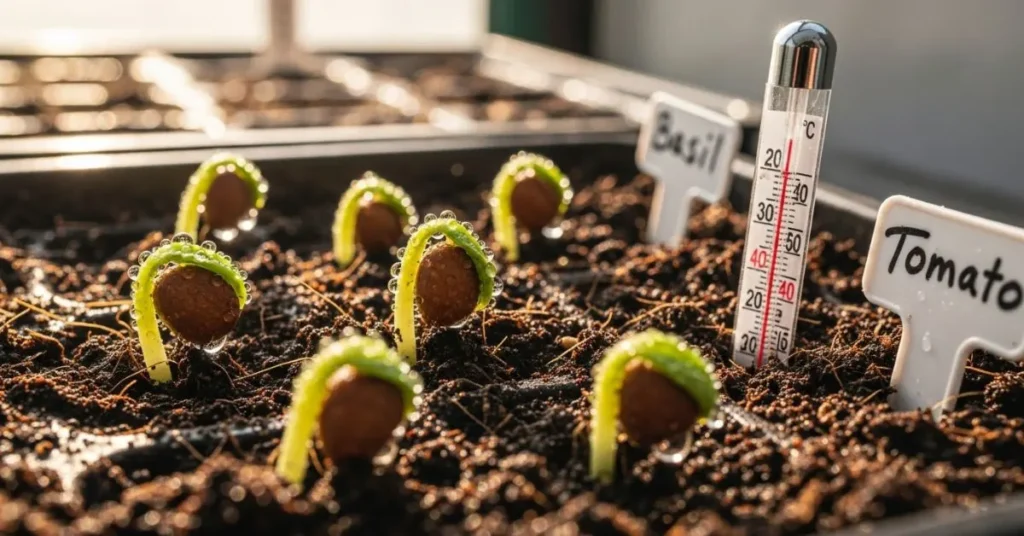
Growing plants from seed may look simple, but success comes when you understand the right steps. Seed germination depends on three main factors: moisture, temperature, and light. If any of these are missing, your seeds may not sprout.
Understanding Seed Germination
-
Every seed carries life inside. With the right care, it wakes up and starts growing roots and shoots.
-
Seed germination tips in home garden include keeping soil moist (but not waterlogged), maintaining warmth, and ensuring enough light.
-
Some seeds, like lettuce or spinach, need cooler conditions, while peppers and tomatoes prefer warmth.
You can learn more about preparing soil in our guide on Soil Care.
Indoor Seed Starting
Starting seeds indoors gives you an early head start, especially in regions with cold winters.
-
Use indoor seed trays and setups to control the environment.
-
Fill trays with a light seed-starting mix instead of heavy garden soil.
-
Keep them in a warm spot or under grow lights.
-
Label each tray so you know what’s growing where.
-
Step-by-step how to plant seeds indoors:
-
Fill trays with soil.
-
Place seeds at the correct depth (check the seed packet).
-
Mist lightly with water.
-
Cover with plastic wrap until sprouts appear.
-
Move to sunlight or grow lights once seedlings emerge.
-
For more detailed techniques, see Indoor Gardening.
Outdoor Seed Planting
Some seeds prefer being planted directly into the soil outdoors. This is called direct sowing.
-
Beans, carrots, radishes, and sunflowers are best for direct sowing.
-
Prepare the soil by removing weeds and adding compost.
-
Check your region’s frost dates before planting outdoors.
Outdoor planting works best if combined with Lawn Care and Pest Control measures.
Seasonal Seed Gardening
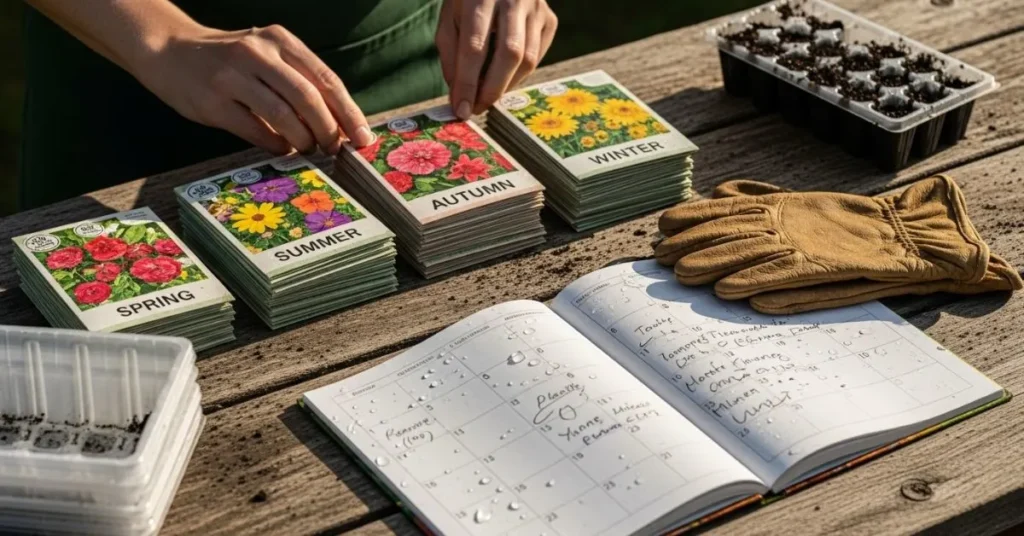
Timing is everything in Seeds Gardening. Each season has its own ideal crops, so knowing what to plant and when makes a huge difference.
Spring Seed Planting
-
Spring is the best season to start many vegetables and herbs.
-
Try vegetables like tomatoes, beans, cucumbers, and leafy greens.
-
Flowers like marigolds, cosmos, and zinnias thrive in this season.
-
Herbs such as basil and parsley grow quickly in spring warmth.
For full planning, see Seasonal Gardening.
Summer Seed Planting
-
Hot-weather crops like okra, chili peppers, and eggplants love the summer sun.
-
Many gardeners look for flower seeds that bloom all summer, such as petunias, vinca, and nasturtiums.
-
Herbs like mint and coriander also perform well in shady corners.
Fall Seed Planting
-
Fall is ideal for root crops and cool-season vegetables.
-
Plant carrots, beets, radishes, and leafy greens like spinach.
-
Hardy flowers like pansies and calendulas add color during cool months.
Winter Seed Planting
-
Winter doesn’t mean you stop gardening. Indoor seed planting is perfect this time.
-
Try microgreens, lettuce, and herbs indoors using trays and grow lights.
-
You can also plan next season’s garden and store seeds properly.
Check Indoor Plants for more winter ideas.
Soil Preparation and Seed Care
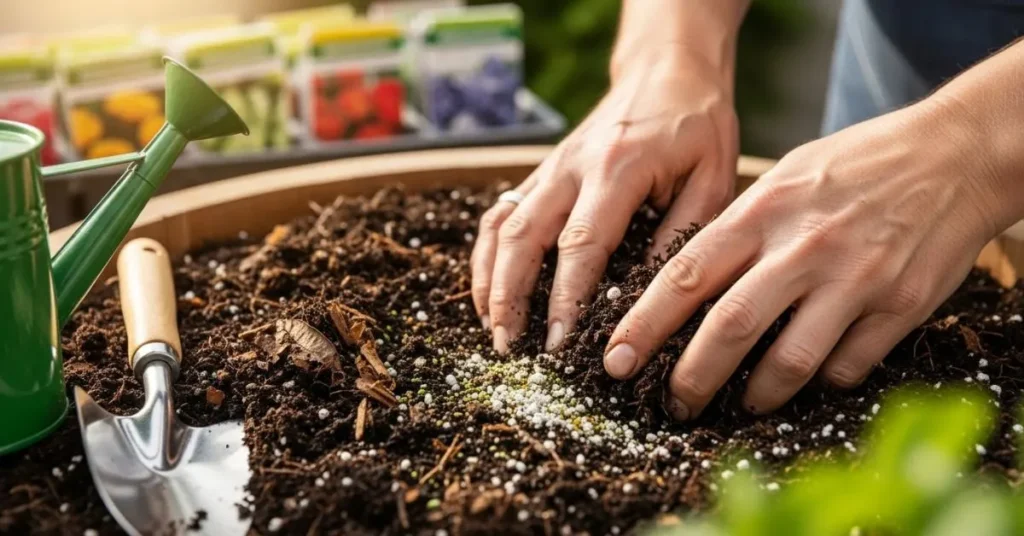
Good soil is the foundation of successful Seeds Gardening. Without the right soil conditions, even the best seeds may fail to germinate.
-
The soil must be loose, well-drained, and rich in organic matter.
-
Before planting, test the soil’s pH. Most seeds prefer slightly acidic to neutral soil (pH 6–7).
-
Add compost or organic matter to improve soil fertility.
Check our detailed Soil Care guide for tips on improving garden beds.
Seed Trays, Compost, and Soil Mix Tips
-
For indoor starts, use a special seed-starting mix instead of heavy garden soil.
-
Compost adds essential nutrients but should be well-rotted to avoid burning seedlings.
-
You can make your own compost at home using kitchen waste. Learn more at Compost.
Watering Methods for Newly Planted Seeds
-
Seeds should be watered gently using a spray bottle or fine nozzle.
-
Overwatering can cause fungal issues like damping-off disease.
-
As plants grow, switch to deep watering to encourage strong root development.
More tips can be found in our Watering Plants section.
How to Store Seeds Properly
If you have leftover seeds, proper storage ensures they remain viable for future use.
-
Keep seeds in a cool, dark, and dry place.
-
Use airtight jars or packets with silica gel packs.
-
Label seeds with the name and collection date.
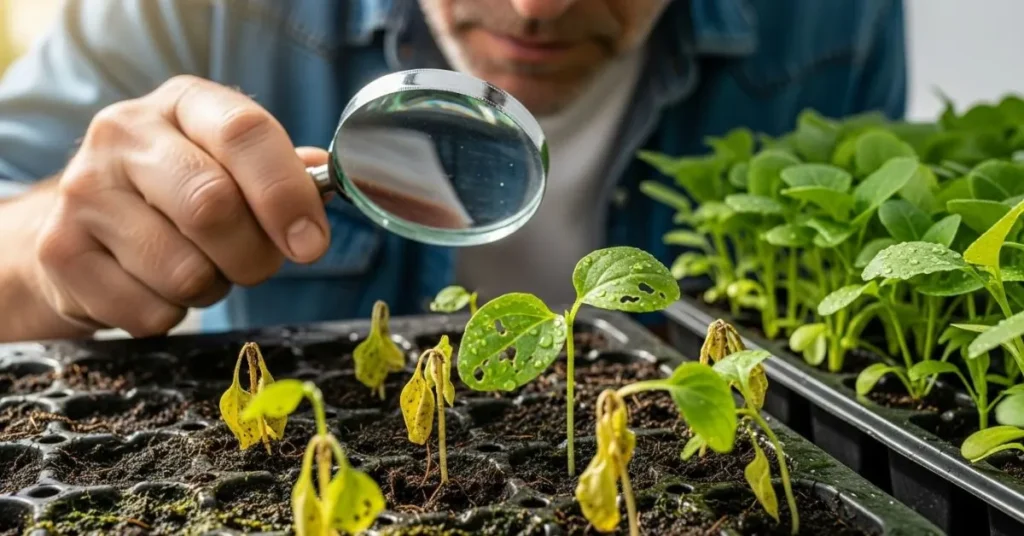
Common Problems in Seeds Gardening
Even with the best care, gardeners face challenges. Recognizing and solving problems early can save your seedlings.
Pest and Disease Control for Seeds
-
Tiny seedlings are vulnerable to pests like aphids, cutworms, and slugs.
-
Diseases such as powdery mildew or damping-off can destroy entire trays.
-
Always practice pest control by keeping the garden clean, rotating crops, and using organic sprays.
Visit our Pest Control section for natural solutions.
Overwatering and Damping Off
This is one of the most common seedling issues. Signs include:
-
Stems turning thin and collapsing
-
Mold on soil surface
-
Seedlings dying suddenly
Solution: Reduce watering, increase airflow, and use sterilized soil.
Poor Germination Solutions
Sometimes seeds don’t sprout at all. Common causes include:
-
Old or expired seeds
-
Wrong planting depth
-
Incorrect temperature
Pro tip: Always buy seeds from reliable sources and check packet instructions carefully.
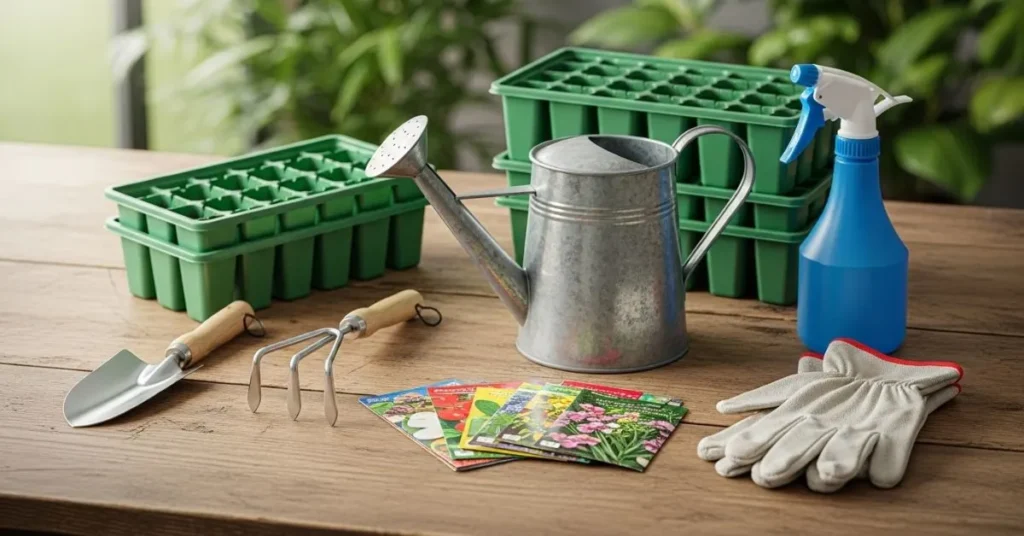
Tools & Accessories for Seeds Gardening
The right tools make Seeds Gardening much easier. Beginners don’t need expensive gear, but a few basics are essential.
Seed Trays and Pots
Reusable trays and biodegradable pots help start seeds indoors.
Grow Lights
If sunlight is limited, LED grow lights provide the spectrum plants need to thrive indoors.
Compost Bins
Making your own compost saves money and provides excellent organic fertilizer. See our DIY Gardening section for creative compost bin ideas.
Recommended Garden Tools
Every seed gardener should have:
-
Hand trowel
-
Small watering can or spray bottle
-
Labels and markers
-
A soil thermometer
See our Garden Tools guide for a full list.
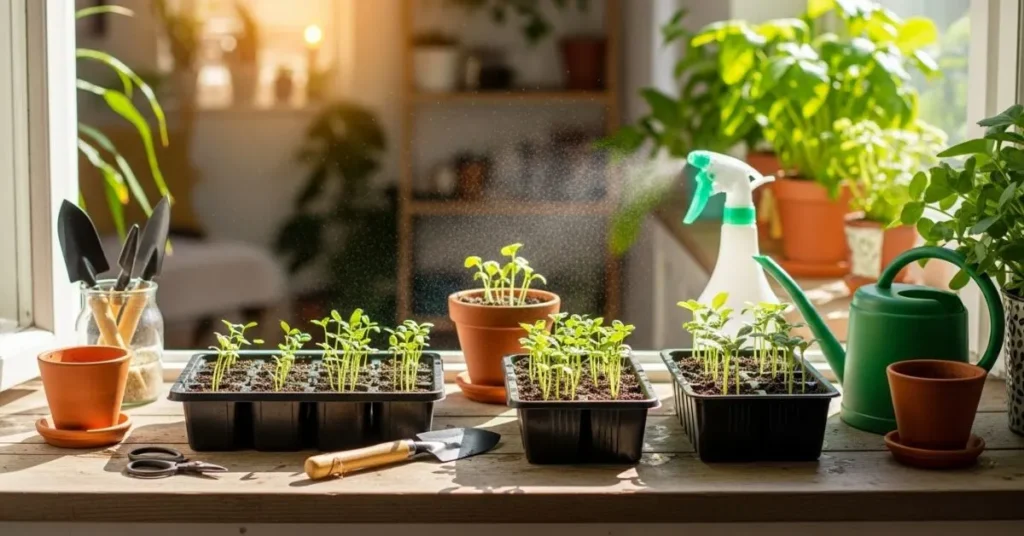
Indoor and Outdoor Seeds Gardening
Indoor Seeds Gardening
For people living in apartments or areas with harsh climates, indoor seeds gardening is a great choice.
-
Use seed trays, small pots, or even recycled containers.
-
Place them near a sunny window or under grow lights.
-
Control temperature and humidity for consistent germination.
Indoor gardens are perfect for herbs, leafy greens, and microgreens. For more indoor growing tips, check our Indoor Plant Care guide.
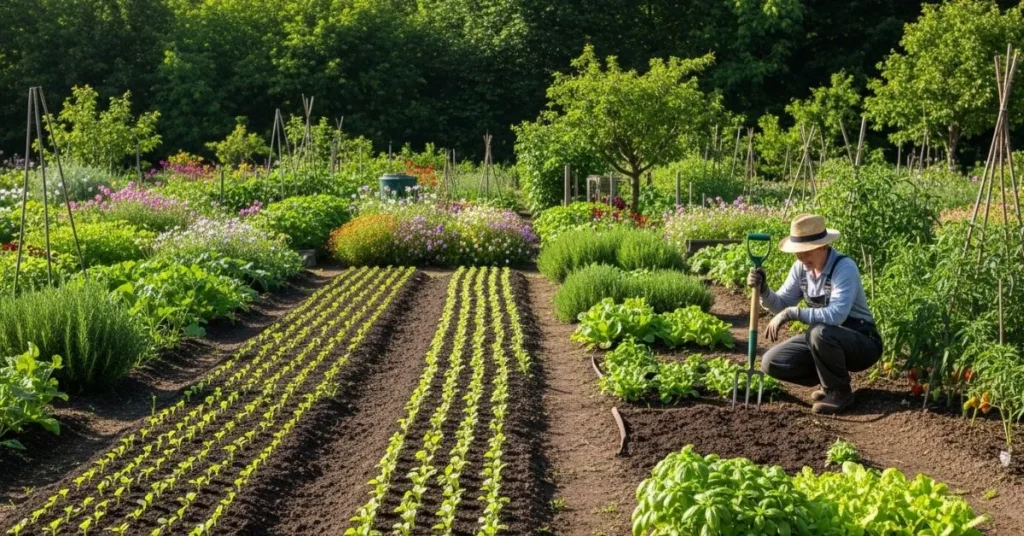
Outdoor Seeds Gardening
Outdoor gardening provides more space and natural conditions for vegetables, flowers, and herbs.
-
Prepare beds with compost and organic fertilizer.
-
Use raised garden beds or containers if soil quality is poor.
-
Protect seedlings from pests and harsh weather with row covers or mulch.
Outdoor gardens are ideal for seasonal vegetables like tomatoes, cucumbers, and pumpkins. See our Vegetable Gardening section for detailed guides.
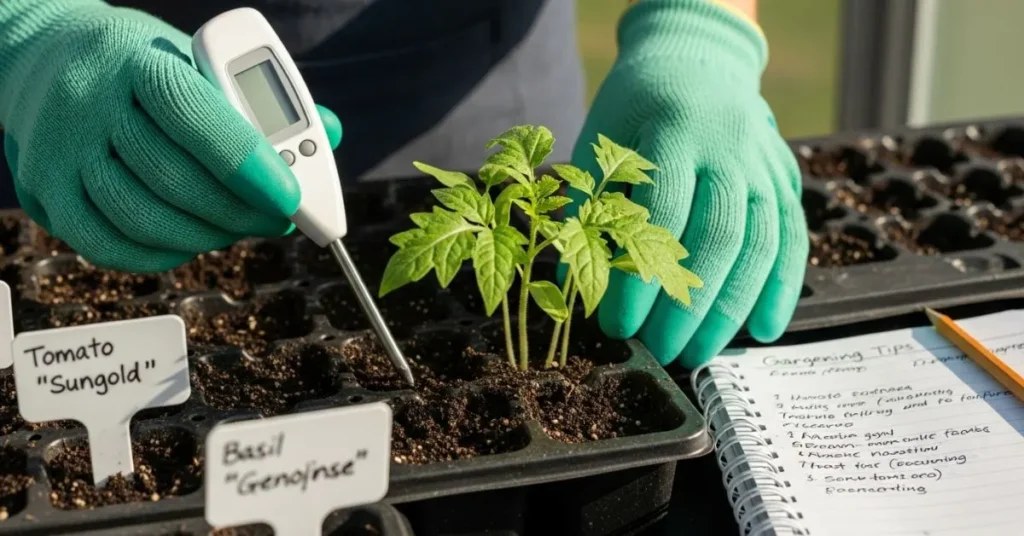
Advanced Tips for Successful Seeds Gardening
If you want to take your gardening to the next level, these tips will help:
1. Crop Rotation
Rotate your crops every season to prevent soil nutrient depletion and reduce pest problems.
2. Companion Planting
Grow plants that benefit each other. For example:
-
Basil next to tomatoes improves flavor.
-
Marigolds help repel pests naturally.
Learn more in our Grow Vegetables in Pots article.
3. Organic Fertilizers
Use homemade compost tea, worm castings, or seaweed extract instead of chemical fertilizers.
4. Succession Planting
Plant seeds every 2–3 weeks for a continuous harvest instead of everything at once.
5. Mulching
Applying mulch around seedlings helps retain moisture, prevent weeds, and regulate soil temperature.
Conclusion
Seeds Gardening is the starting point of every green journey. Whether you are growing fresh herbs on your kitchen windowsill or cultivating a large vegetable patch outdoors, it all begins with a tiny seed.
By choosing the right seeds, preparing the soil, using proper watering methods, and protecting seedlings from pests, you can enjoy a healthy and productive garden.
Gardening is not just about food; it’s about joy, patience, and connecting with nature. Even a small pot with seeds can bring life to your home.
FAQs About Seeds Gardening
[sp_easyaccordion id=”853″]