
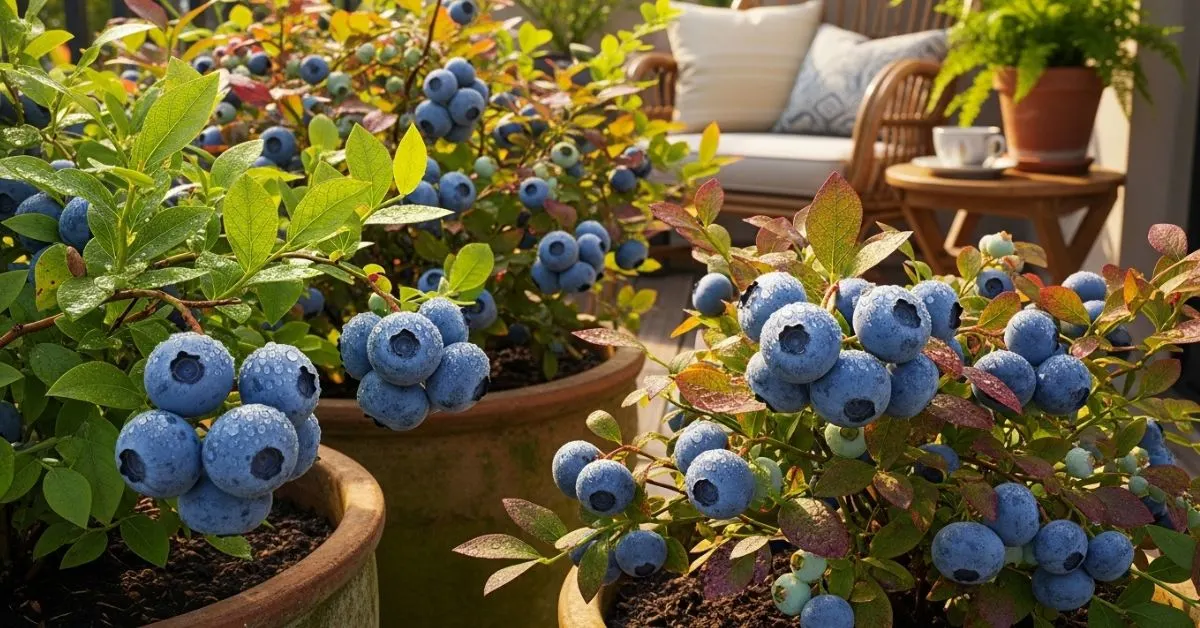
How to Grow Blueberries in Pots for a Fresh Harvest at Home
Blueberries are one of those fruits that feel like a luxury when you buy them from the store, yet they can be surprisingly easy to grow at home. The best part? You don’t even need a big backyard. With the right care, you can grow blueberries in pots right on your balcony, patio, or even indoors near a sunny window. This guide will walk you through everything from choosing the right variety to harvesting and storing your fruit.
Choosing the Right Blueberry Variety
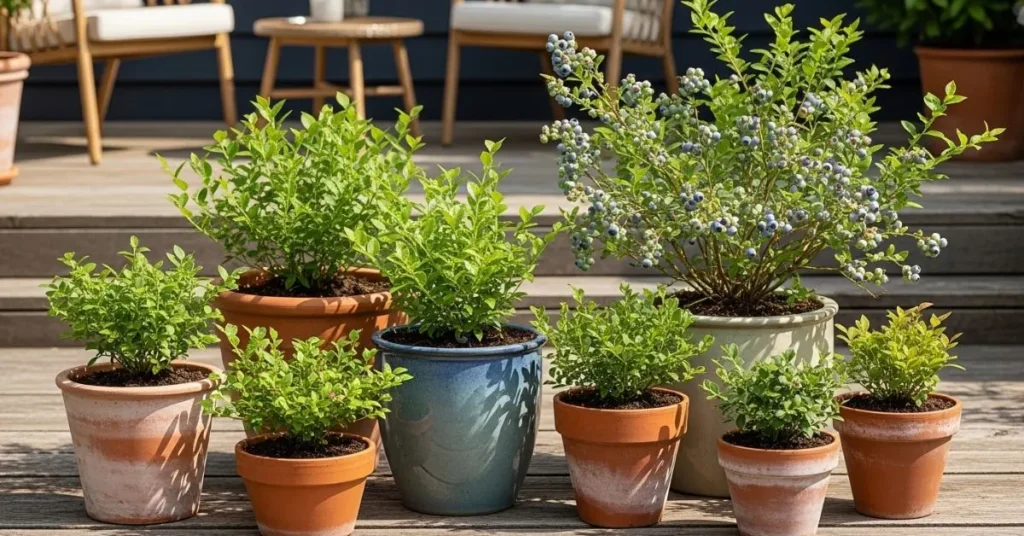
Not all blueberry plants are ideal for containers. If you want success, choose dwarf or compact varieties. Some of the best for pot gardening include:
-
Sunshine Blue: great for mild climates and small spaces.
-
Top Hat: a dwarf variety perfect for patios.
-
Northblue: hardy and produces medium-sized berries.
Highbush varieties can also be grown in larger containers, but they need more space. Lowbush types are better for small pots and decorative purposes. When planning, remember the keyword here: blueberries in containers grow best when you match the right plant to the right pot.
Selecting the Best Container
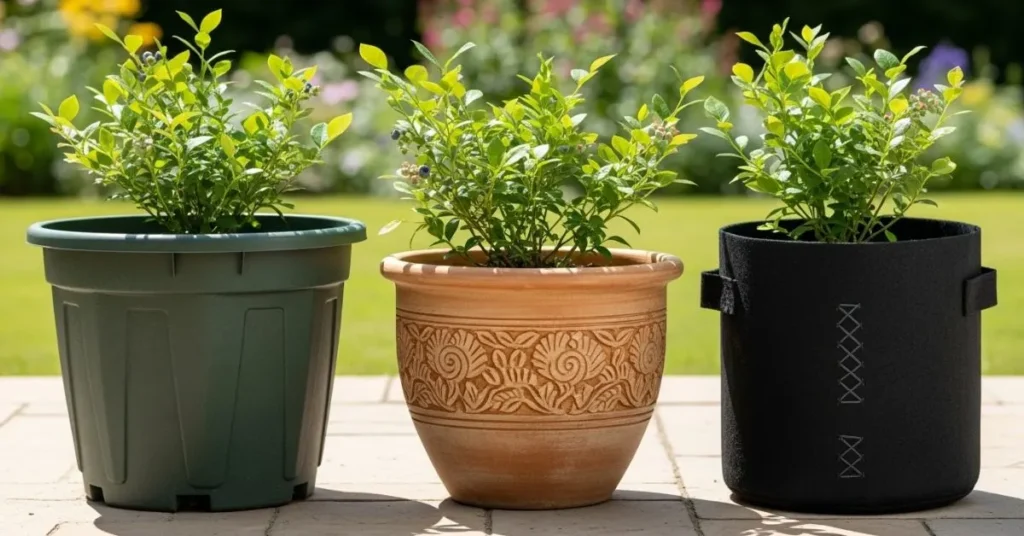
The size of the container makes all the difference. Blueberries need room to spread their roots. Choose a pot that’s at least 18–24 inches deep and wide.
-
Plastic pots hold moisture better but can heat up quickly in summer.
-
Ceramic or terracotta pots look attractive but may dry out faster.
-
Fabric grow bags are affordable and provide excellent drainage.
Make sure your container has drainage holes at the bottom. Without them, water will collect and cause root rot, which blueberries are very sensitive to.
Preparing Soil for Blueberries in Pots
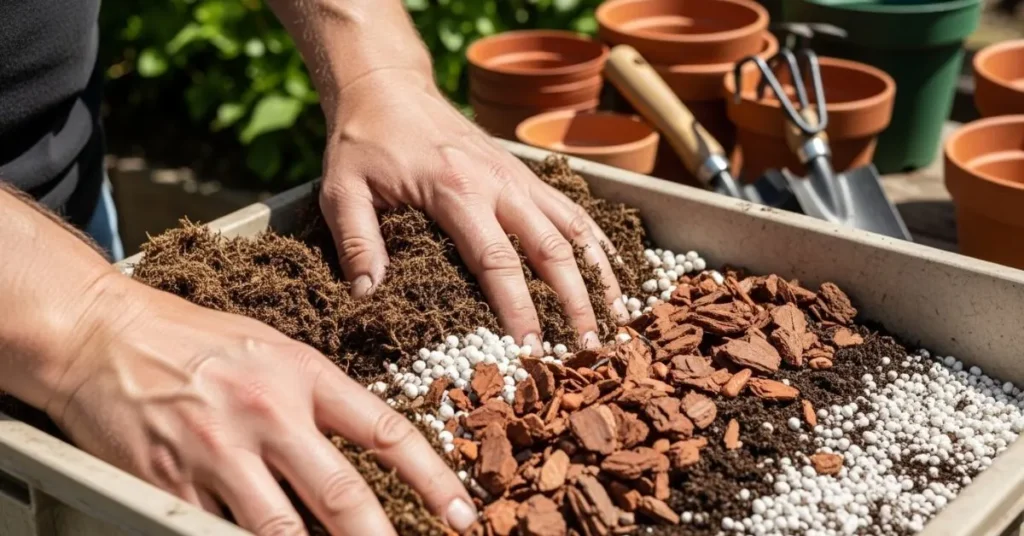
Blueberries are not like regular garden plants. They thrive in acidic soil with a pH between 4.5 and 5.5. Standard potting mixes are usually too neutral or alkaline. To get the right conditions, prepare a mix with:
-
50% peat moss (for acidity and water retention)
-
30% pine bark (for aeration)
-
20% perlite (for drainage)
Avoid using garden soil, as it compacts too easily in pots.
👉 Tip: Soil prep for thyme is similar to pumpkins and other crops. Learn more in Seeds and Planting.
Planting Blueberries in Containers
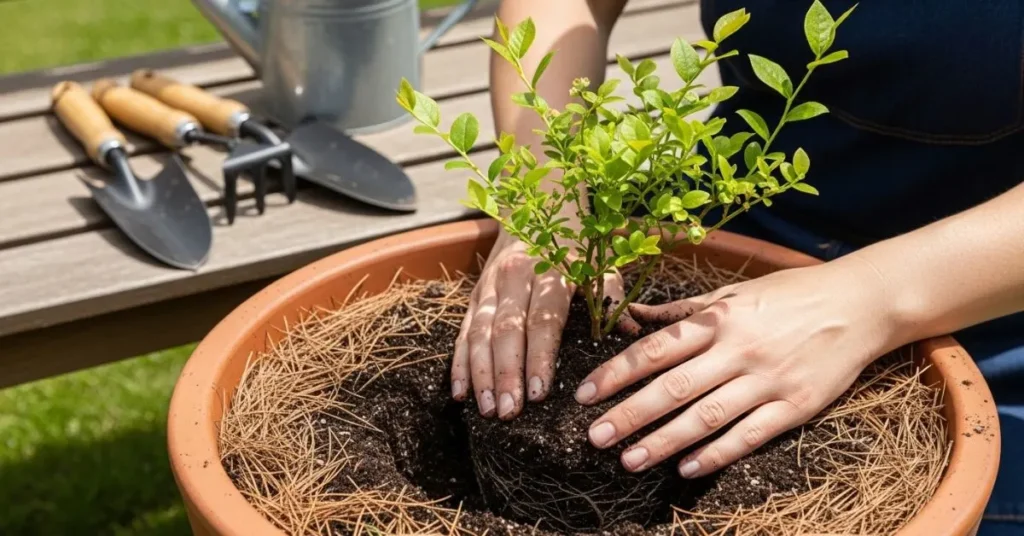
When planting, fill the pot with your prepared mix, leaving 2–3 inches at the top. Gently place the plant in the center and cover the roots, pressing the soil lightly. Mulch with pine needles or bark chips to keep moisture in and maintain acidity.
A single plant will fruit, but you’ll get bigger harvests if you grow two or more varieties for cross-pollination.
Watering and Sunlight Requirements
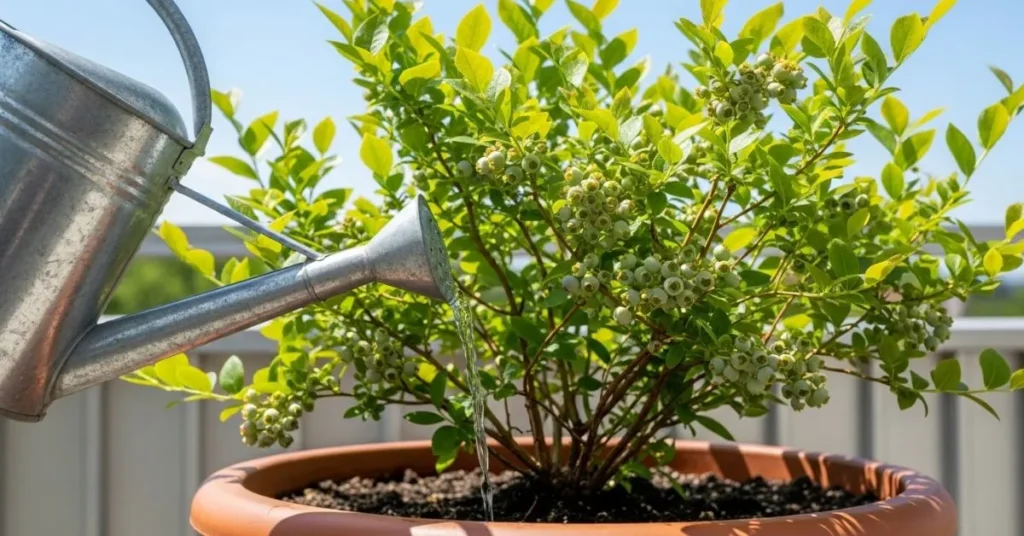
Blueberries need consistent moisture, especially when grown in pots. Keep the soil evenly damp but never soggy. During hot summers, you may need to water every day.
Sunlight is just as important. Aim for 6–8 hours of direct sunlight daily. Without enough light, your blueberries won’t produce a good harvest.
Keywords like watering blueberries in pots and sunlight for blueberries naturally come into play here, because both are critical to success.
Pruning and Training Blueberries
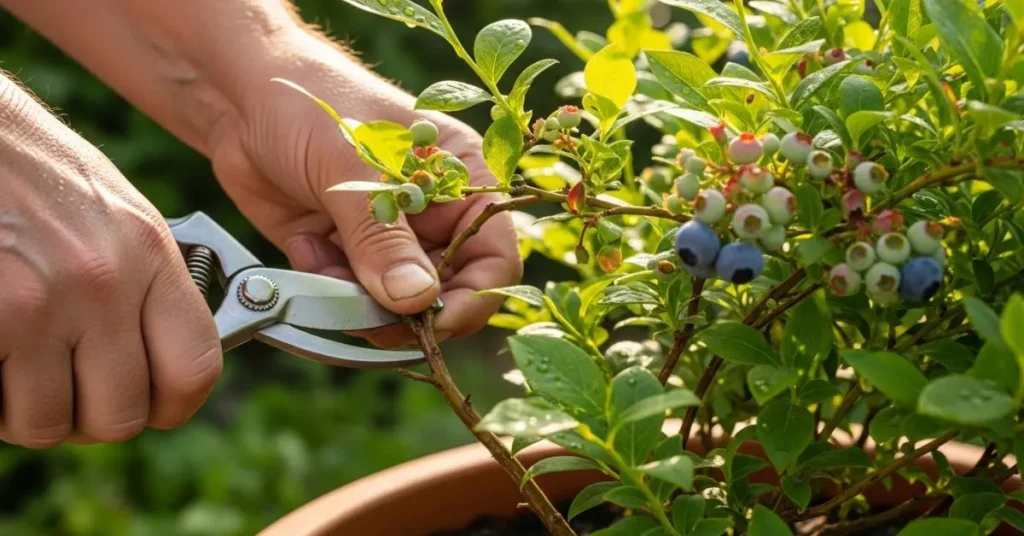
Pruning may sound intimidating, but it’s simple. The goal is to keep the plant open and airy so sunlight can reach all branches.
-
Remove dead or weak stems each winter.
-
Cut back the oldest canes to encourage new growth.
-
Shape the plant to maintain a manageable size in the pot.
Well-pruned plants not only look better but also produce larger, sweeter berries.
Harvesting Blueberries in Pots
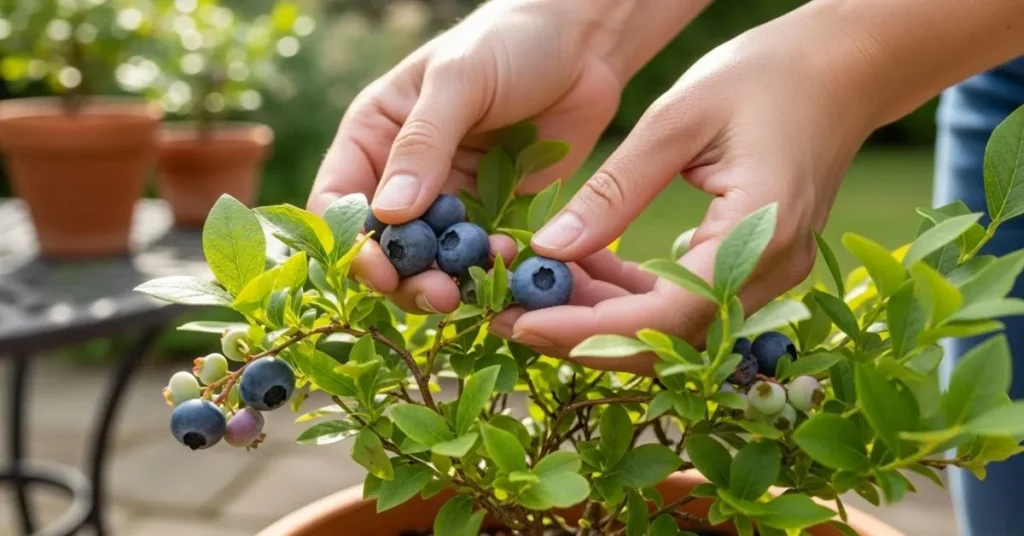
Harvest time is one of the most rewarding parts of growing blueberries. The berries are ready when they’re fully blue with no hint of red. Ripe berries will come off the stem easily with a gentle tug.
👉 Just like blueberries, vegetables also need careful harvesting. See our guide on When to Pick Tomatoes.
Don’t rush. Blueberries don’t ripen after picking, so wait until they’re fully ready.
Storing and Using Your Harvest
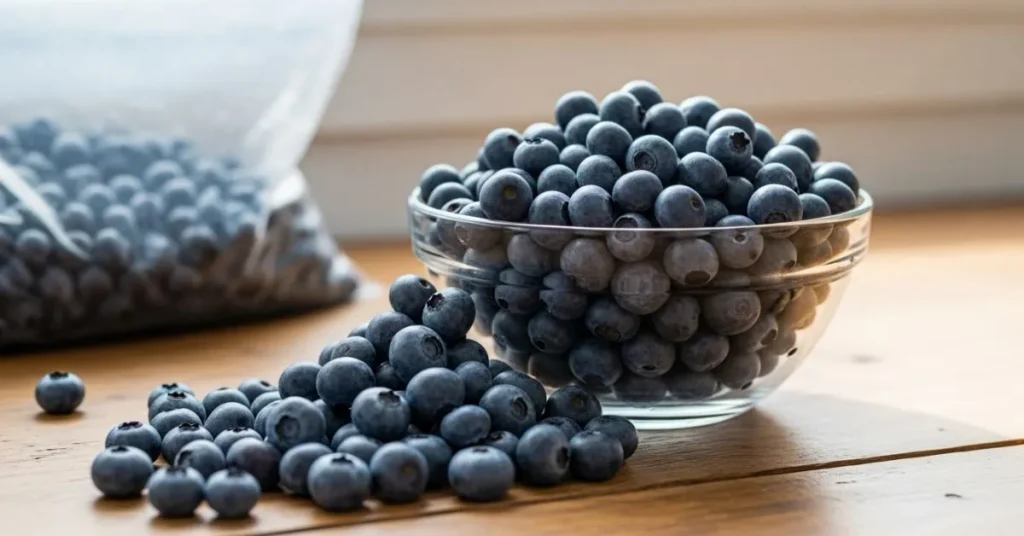
Fresh blueberries last about 10–14 days in the fridge if kept dry and unwashed until ready to eat. For longer storage, spread them on a tray, freeze until solid, then transfer to freezer bags.
Frozen berries are perfect for smoothies, muffins, or pancakes. This way, your summer harvest lasts all year.
Common Problems in Growing Blueberries in Pots
Even with the best care, you may face some challenges:
-
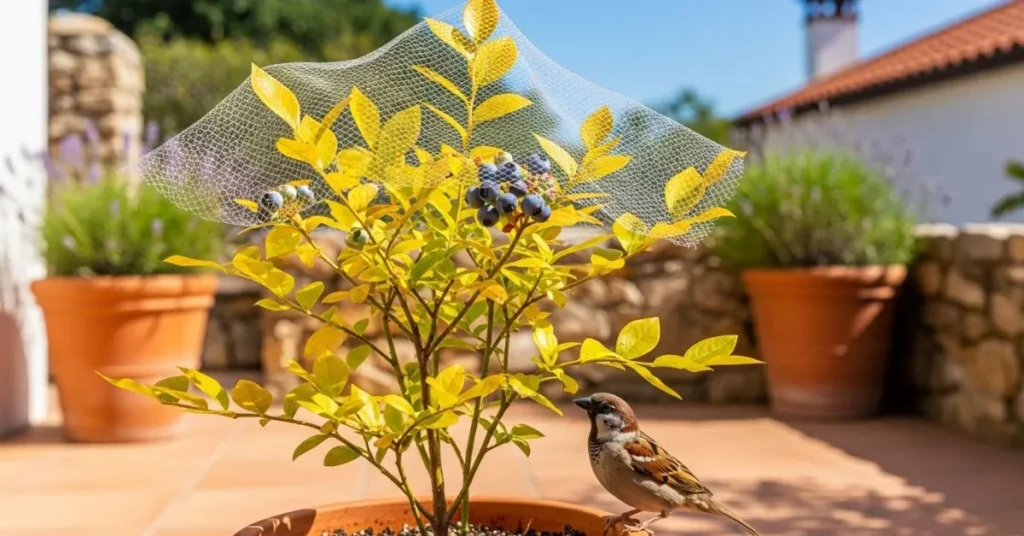
Yellowing leaves: often caused by alkaline soil. Fix with sulfur or acidic fertilizer.
-
Poor fruiting: lack of pollination or improper pruning.
-
Pests: birds love blueberries, so netting might be necessary.
Don’t worry if growth seems slow the first year. Blueberries usually hit their stride by the second or third year.
Companion Planting and Decorative Use
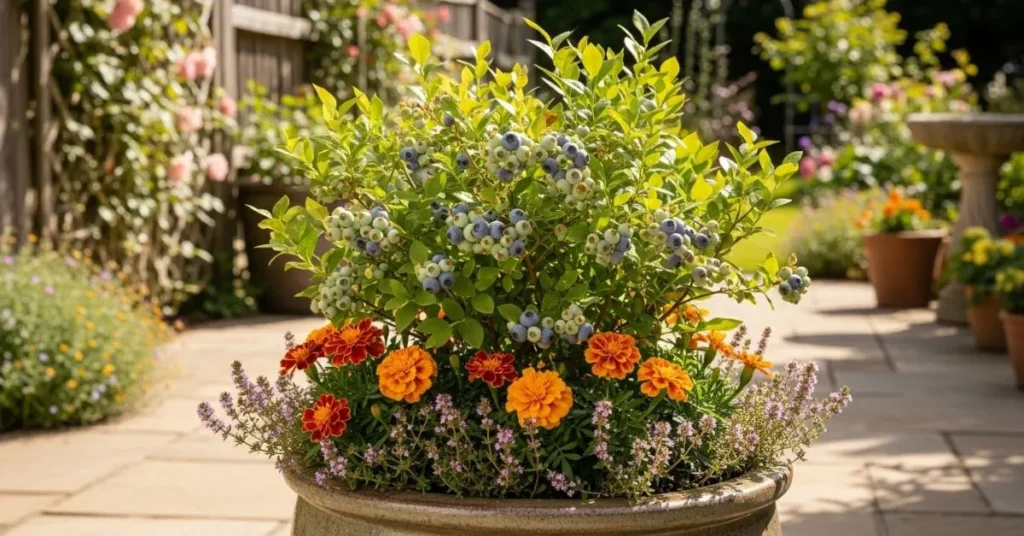
Blueberries not only provide fruit but also look beautiful in containers. Pair them with herbs like thyme or flowers like marigolds for a decorative, functional garden setup.
👉 Herbs can also be grown in limited spaces. Learn how in Grow Vegetables in Pots.
Conclusion
Learning how to grow blueberries in pots is one of the most rewarding gardening projects you can take on. With the right soil, proper watering, and a little patience, you’ll enjoy bowls of fresh berries right at home. It’s perfect for small gardens, patios, or even urban apartments.
So grab a pot, pick your favorite variety, and start growing. Your morning cereal will thank you.
FAQs Grow Blueberries in Pots
[sp_easyaccordion id=”782″]