
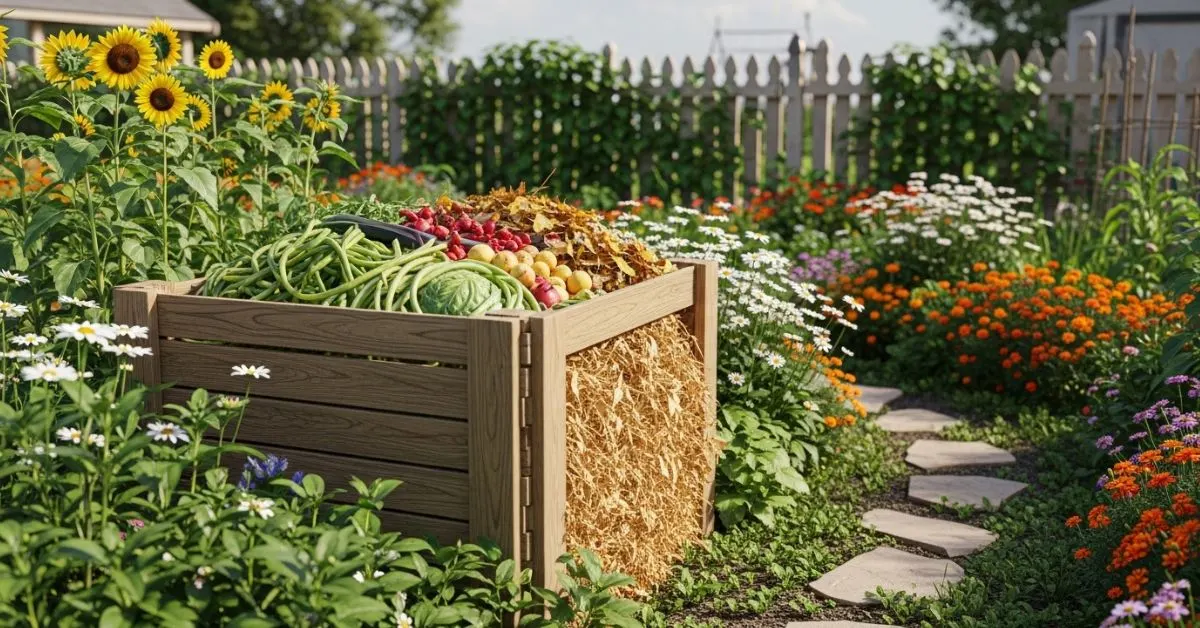
How to Make Compost at Home: A Complete Beginners Guide
If you’ve ever wondered how to make compost at home, you’re not alone. Composting has become one of the most popular ways for gardeners to recycle kitchen scraps and yard waste into a powerful soil amendment. Instead of throwing organic waste into the bin, turning it into compost gives your plants a nutrient-rich boost and helps reduce landfill waste.
Whether you grow vegetables, fruits, or flowers, homemade compost improves soil fertility, increases water retention, and encourages healthy root development. In this guide, we’ll cover everything from what compost is to step-by-step methods, common mistakes to avoid, and how to use compost in your garden.
What Is Compost and Why Is It Important?
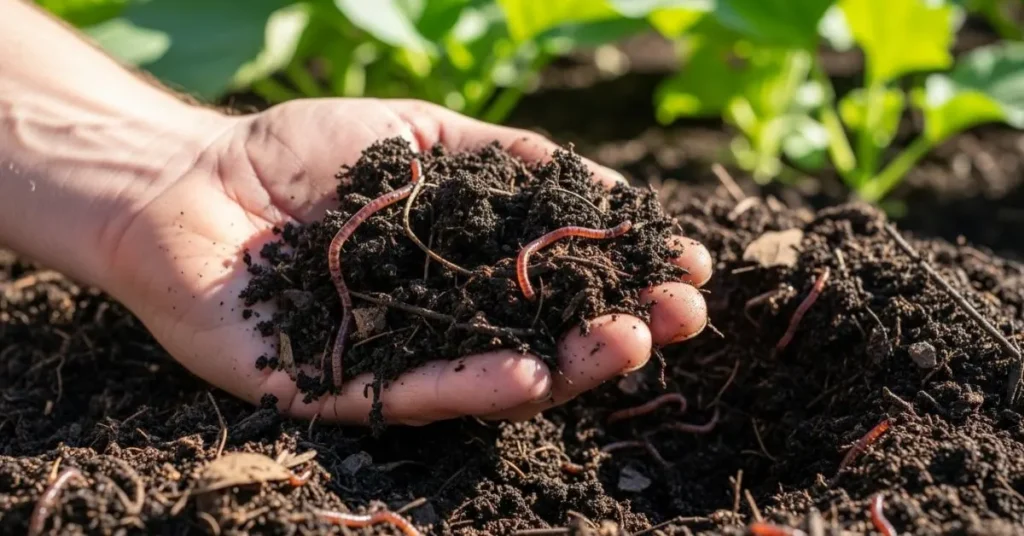
Compost is decomposed organic matter created by combining kitchen waste, garden clippings, and other biodegradable materials. Microorganisms break these down into humus, a dark, crumbly, soil-like material packed with nutrients.
Benefits of compost include:
-
Enriching soil with natural nutrients.
-
Reducing reliance on chemical fertilizers.
-
Helping retain soil moisture, especially for container gardens.
-
Supporting beneficial microorganisms and earthworms.
If you’re into vegetable gardening, using compost is one of the simplest ways to improve plant growth and yields.
Essential Materials Needed for Composting at Home
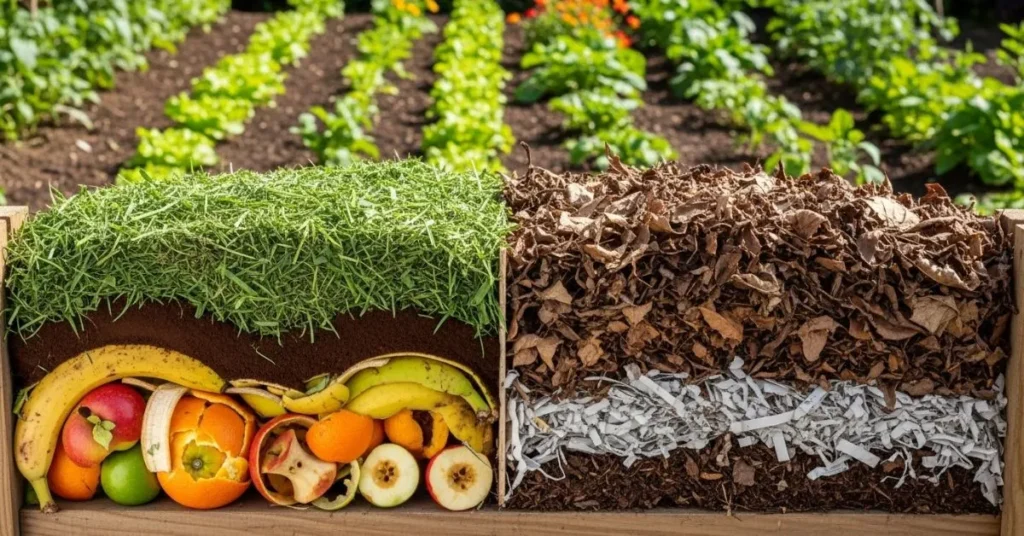
Before you start learning how to make compost at home, it’s important to understand what goes into your compost bin or pile. Composting works best with a balance of “greens” (nitrogen-rich) and “browns” (carbon-rich).
-
Greens (Nitrogen): Fruit and vegetable scraps, coffee grounds, fresh grass clippings, tea leaves.
-
Browns (Carbon): Dry leaves, shredded newspaper, cardboard, sawdust, straw.
-
Moisture: Compost should feel like a wrung-out sponge, damp but not soggy.
-
Air: Oxygen helps microorganisms break down materials quickly.
⚠️ Avoid adding meat, dairy, or oily foods, as they attract pests and slow decomposition.
Step-by-Step: How to Make Compost at Home
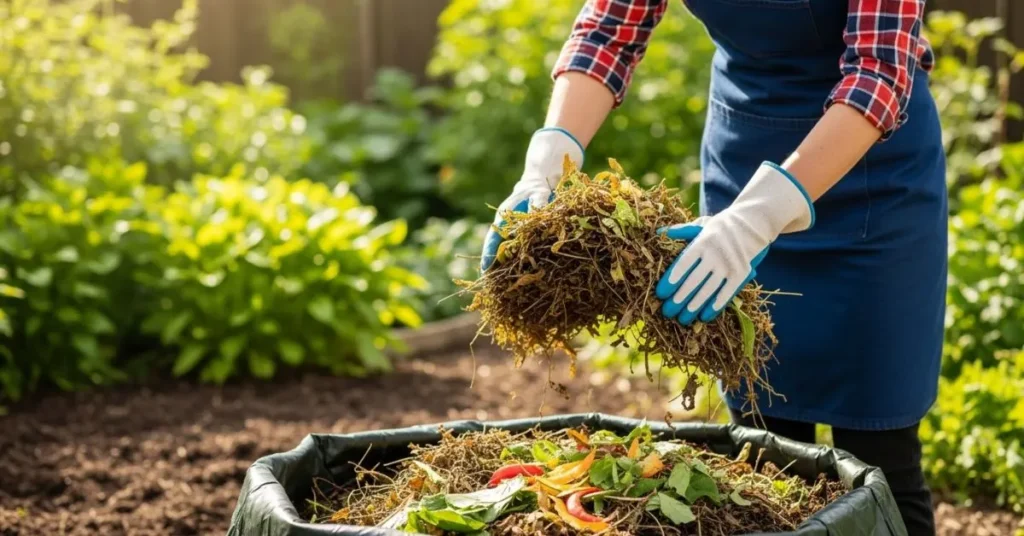
Creating compost is easy once you understand the process. Here’s a simple guide:
-
Choose a Location: Pick a shady or semi-shady spot for your compost pile or bin.
-
Layer Materials: Start with a layer of browns (like dry leaves), then add greens (like kitchen scraps). Continue alternating.
-
Maintain Balance: Aim for about 3 parts browns to 1 part greens.
-
Add Water: Keep the pile moist but not soggy.
-
Turn the Pile: Every 1–2 weeks, turn your compost with a garden fork to add oxygen.
-
Wait and Monitor: Within 2–3 months, you’ll notice dark, crumbly compost forming at the bottom.
This process works whether you’re composting in a small backyard or trying indoor composting in a bin.
Types of Composting Methods at Home
Different methods work better depending on your space and needs.
-
-
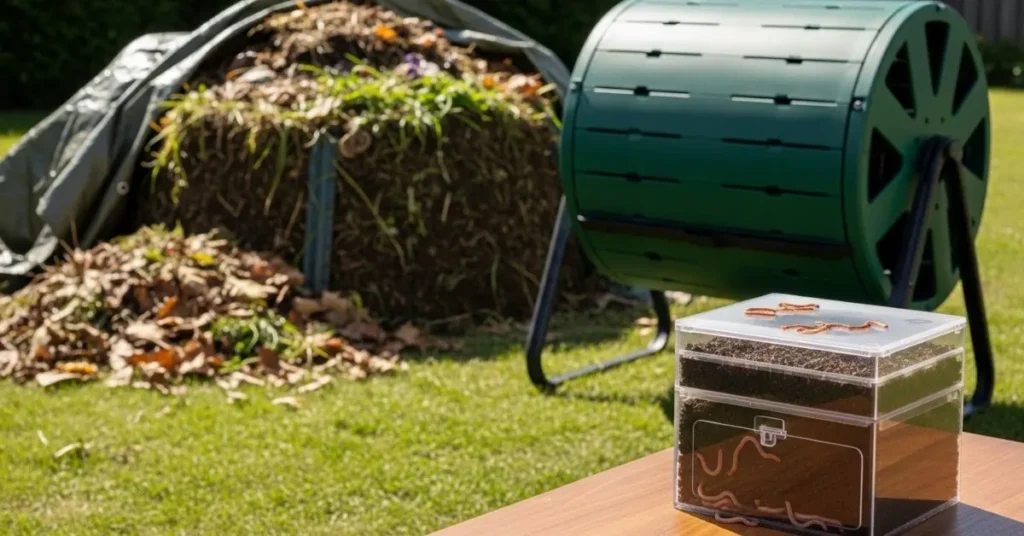
Traditional Compost Pile: Best for those with a backyard. Easy and inexpensive.
-
Compost Bin or Tumbler: Faster breakdown, neater appearance, and pest control.
-
Vermicomposting (Worm Composting): Perfect for indoor spaces; worms help break down scraps quickly.
-
Bokashi Composting: A fermentation method ideal for small apartments.
-
If you’re growing vegetables in limited space, like in pots, vermicomposting pairs perfectly with container gardening. Check out our guide on Grow Vegetables in Pots for more ideas.
How Long Does Compost Take to Be Ready?
The time required depends on materials, method, and maintenance:
-
Hot composting: 2–3 months if turned regularly.
-
Cold composting: 6–12 months with less maintenance.
-
Vermicomposting: 2–4 months indoors.
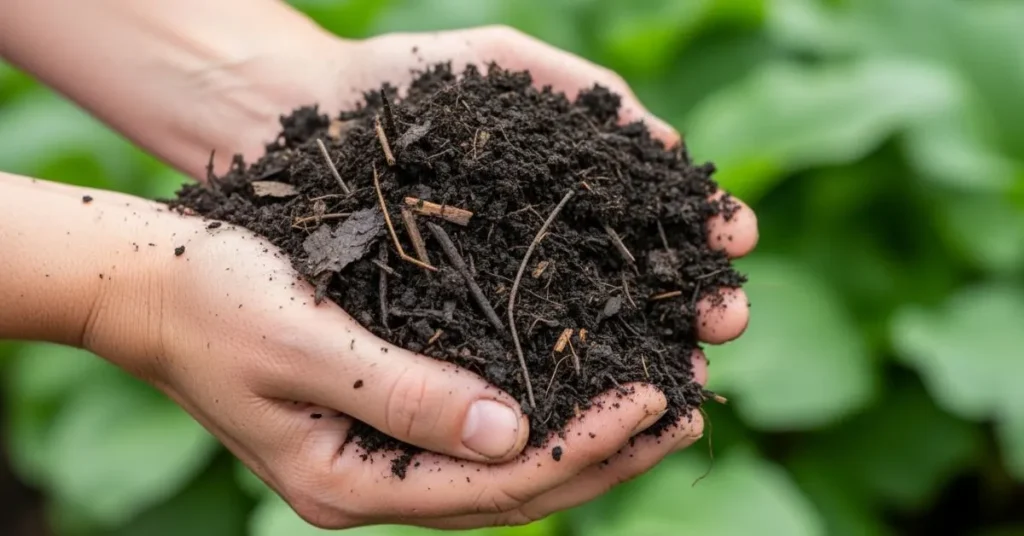
A sign that compost is ready: It looks dark and crumbly, smells earthy, and no longer resembles the original scraps.
Using Compost in Your Garden
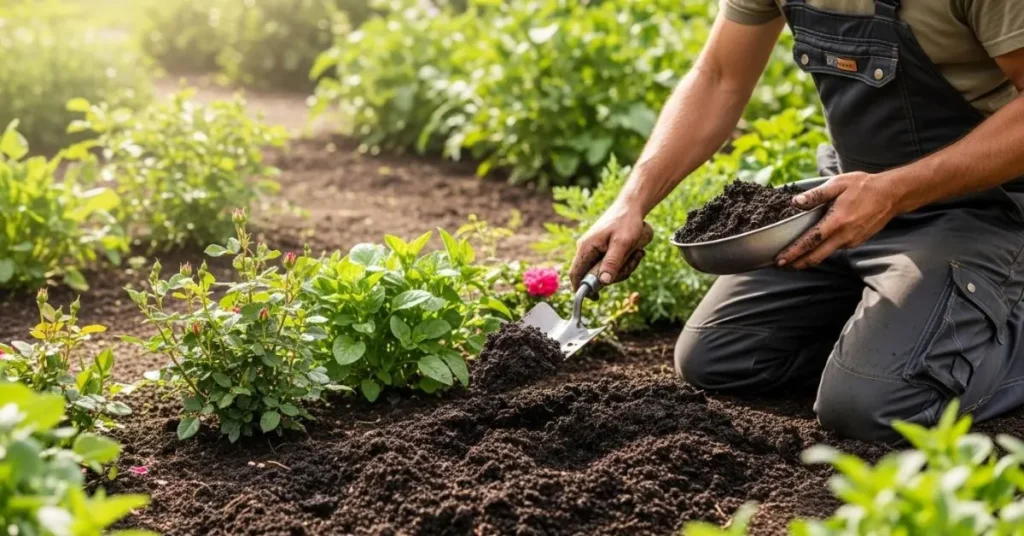
Once your compost is ready, you can use it in different ways:
-
Soil Amendment: Mix into garden beds before planting.
-
Mulch: Spread around plants to conserve moisture and suppress weeds.
-
Potting Mix: Blend with soil for container plants.
-
Top Dressing: Sprinkle around established plants for slow nutrient release.
If you love growing tomatoes, applying compost can significantly improve yield and flavor. Learn more in our guide: When to Pick Tomatoes.
Common Mistakes to Avoid When Composting
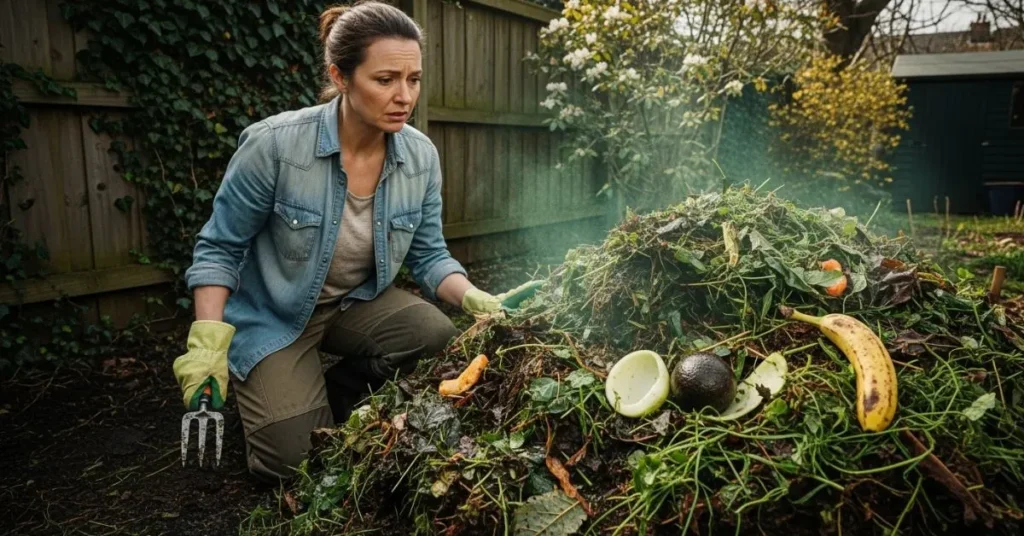
Even though making compost at home is simple, beginners often make avoidable mistakes:
-
Adding too much green waste, which causes a smelly pile.
-
Forgetting to turn the compost, slowing decomposition.
-
Letting the pile dry out completely.
-
Adding large chunks instead of chopping waste into smaller pieces.
To avoid these issues, always maintain the right balance of greens, browns, air, and moisture.
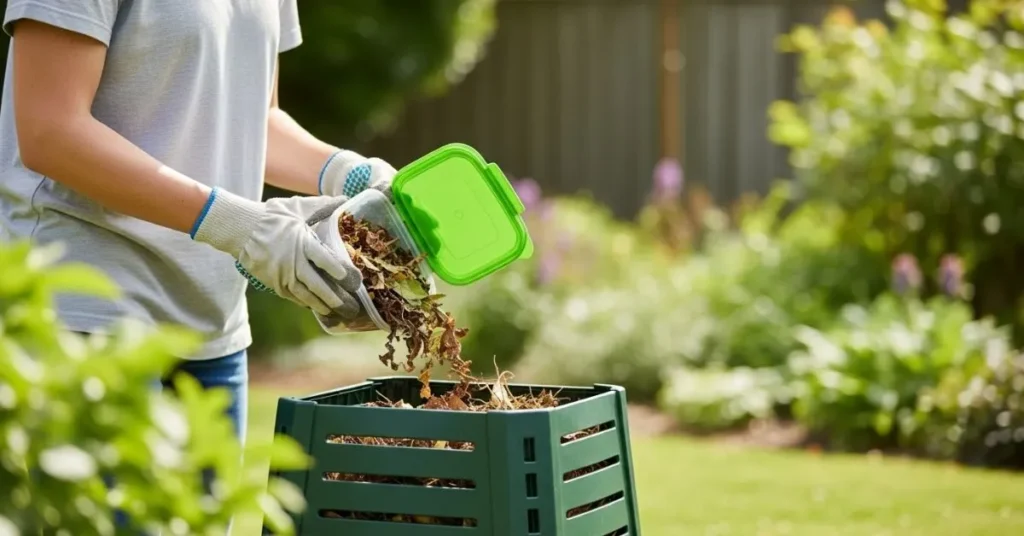
Composting Tips for Beginners
-
Chop or shred kitchen waste before adding.
-
Keep a small container in the kitchen for scraps.
-
Cover food waste with browns to prevent odors.
-
In cold climates, insulate the pile with straw or leaves.
-
Be patient, composting is nature’s process, not instant fertilizer.
Conclusion
Learning how to make compost at home is one of the most valuable skills for any gardener. It reduces waste, saves money, and provides your plants with a natural source of nutrients. With just a little effort and patience, you can transform kitchen scraps and yard waste into “black gold” that supports everything from herbs to vegetables and fruit trees.
If you haven’t started yet, now is the perfect time. Gather your greens, browns, and a bit of determination, your garden will thank you for it.
FAQs How to Make Compost at Home
[sp_easyaccordion id=”788″]