
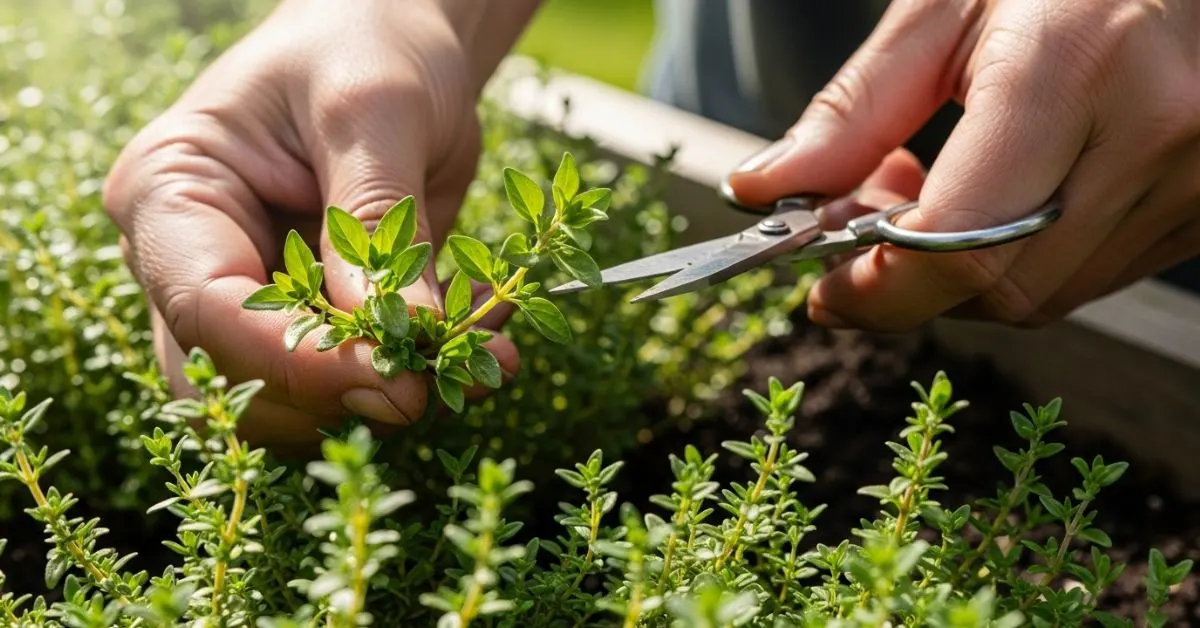
How to Harvest Thyme for Maximum Flavor and Long Storage
Thyme is one of those herbs that every gardener and cook loves to have on hand. Its earthy, slightly minty flavor brings soups, roasts, and sauces to life. Best of all, thyme is hardy, easy to grow, and offers harvests for many months of the year. But like every herb, there comes a time when the growing season slows down, and gardeners start asking: how to harvest thyme and store it after the season ends?
If you live in the USA or the UK, you’ll be happy to know thyme thrives in both climates. With the right timing and techniques, you can enjoy homegrown thyme all winter long. This guide will walk you through everything from cutting thyme at its peak, to drying, freezing, and even making thyme-infused oils for your kitchen.
Why Harvesting Thyme Correctly Matters
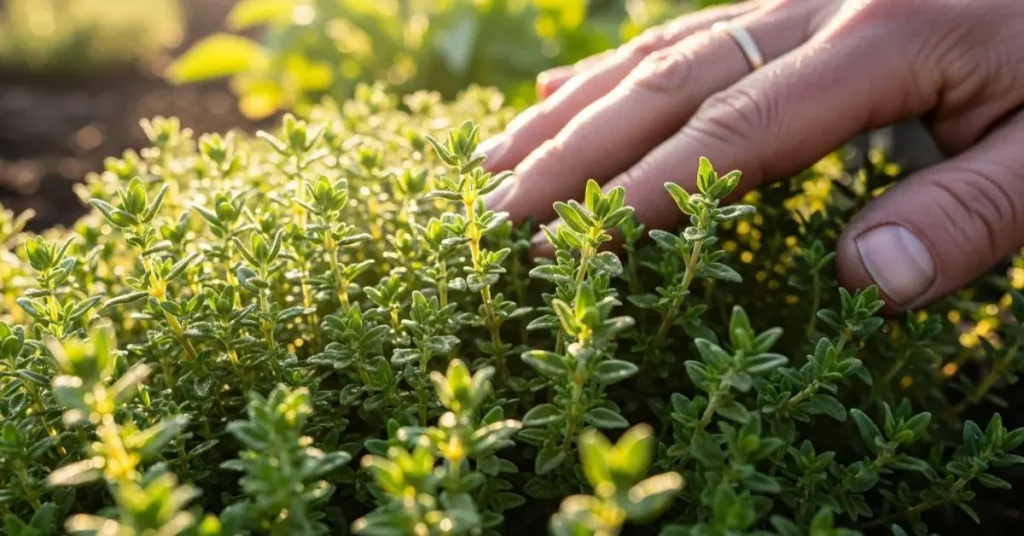
Harvesting thyme isn’t just about cutting leaves off a plant. Done right, you can encourage healthier growth, improve the flavor of your herb, and even extend the plant’s life into the next season. If done poorly, you may weaken your thyme or lose the intense fragrance that makes it so valuable.
Freshly harvested thyme is packed with natural oils that give it flavor and aroma. Picking it at the right stage and storing it properly ensures you don’t lose those oils. Whether you’re preserving thyme for cooking, teas, or natural remedies, harvesting correctly is the first step.
When to Harvest Thyme
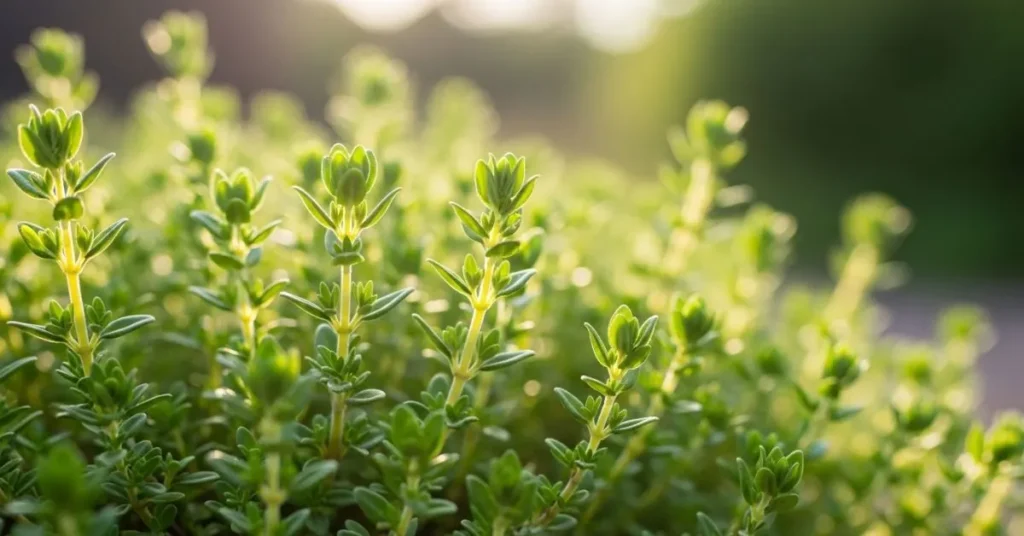
Timing is everything. The best time to harvest thyme is just before the plant starts to flower, usually in late spring or early summer. This is when the concentration of essential oils in the leaves is at its highest. Once thyme flowers, it’s still usable, but the flavor becomes less intense.
If you want a fresh supply all season, you can trim thyme lightly every few weeks. Toward the end of summer and into fall, focus on collecting larger amounts for storage before frost sets in. In colder regions of the USA and UK, thyme may die back in winter, so don’t wait too long.
Pro tip: Harvest in the morning after the dew has dried but before the sun is too strong. This is when thyme leaves hold the most flavor.
How to Harvest Thyme Without Damaging the Plant
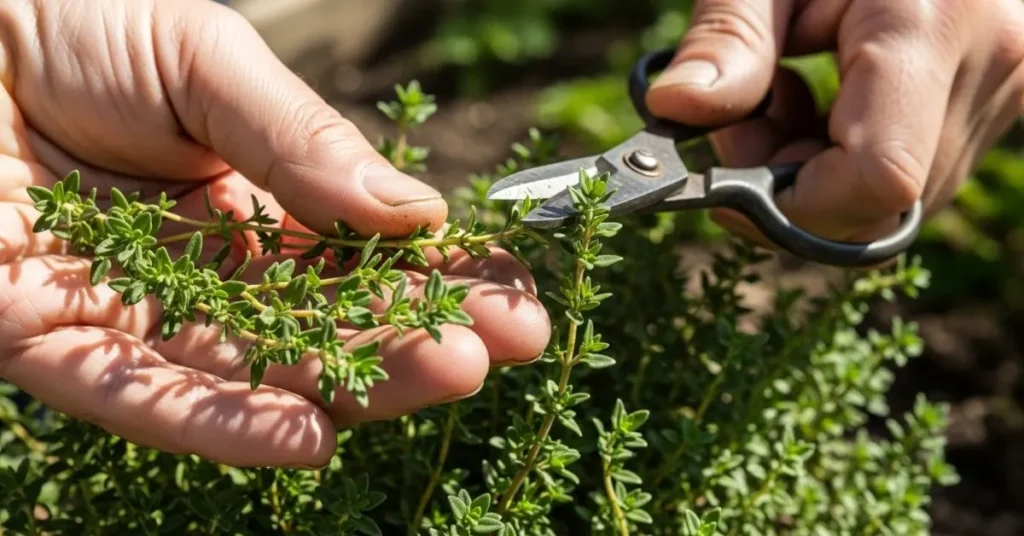
Learning how to harvest thyme without killing the plant is crucial if you want it to keep producing. Here’s how:
-
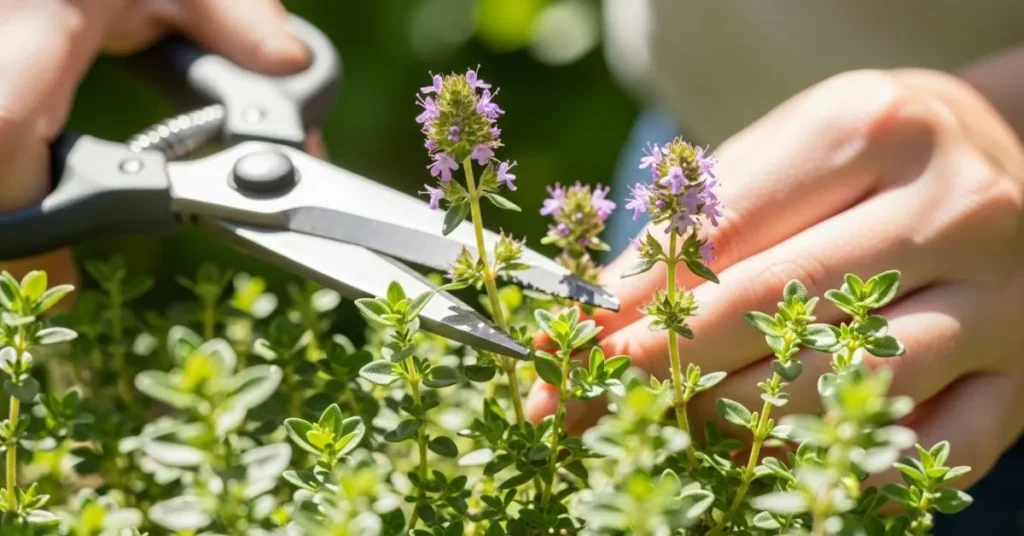
Use sharp scissors or pruning shears.
-
Cut sprigs about 5–6 inches long.
-
Always leave at least 4 inches of growth on the plant so it can recover.
-
Avoid cutting woody stems too close to the base, as they regrow slowly.
For continuous harvest, rotate around your thyme plants rather than cutting one down heavily at once. This encourages bushier growth and prevents stress.
How to Store Fresh Thyme After Harvest
Once you’ve cut your thyme, proper storage is key. Fresh herbs can lose their oils and wilt quickly if not handled correctly. Here are some effective methods:
1. Refrigeration
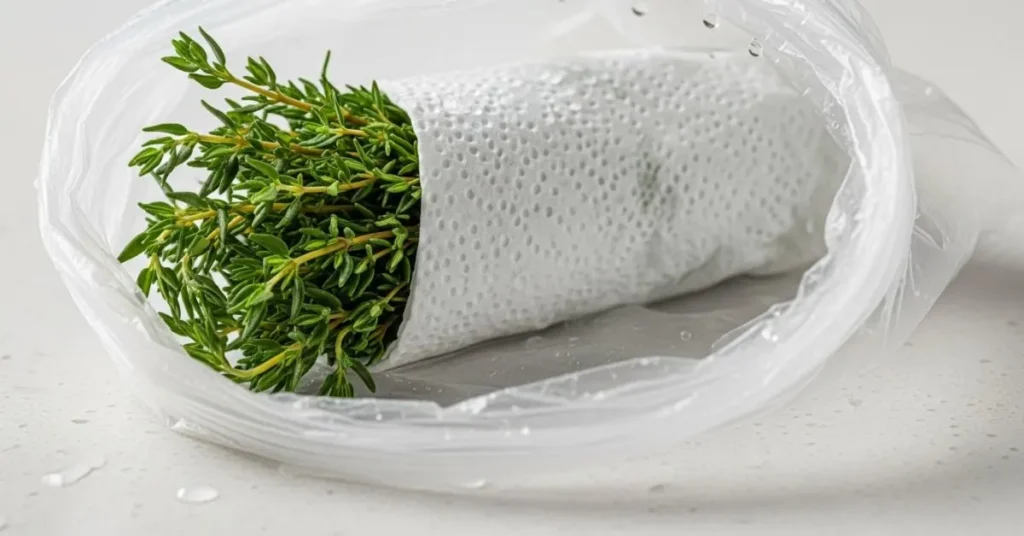
Wrap sprigs in a damp paper towel, place them in a plastic bag, and store them in the fridge. They will stay fresh for up to two weeks.
2. Freezing Thyme
Freezing is one of the best ways to preserve thyme while keeping its flavor. You can freeze whole sprigs in airtight containers, or strip the leaves and freeze them in ice cube trays with water or olive oil. This is perfect for dropping into soups and stews later.
3. Drying Thyme
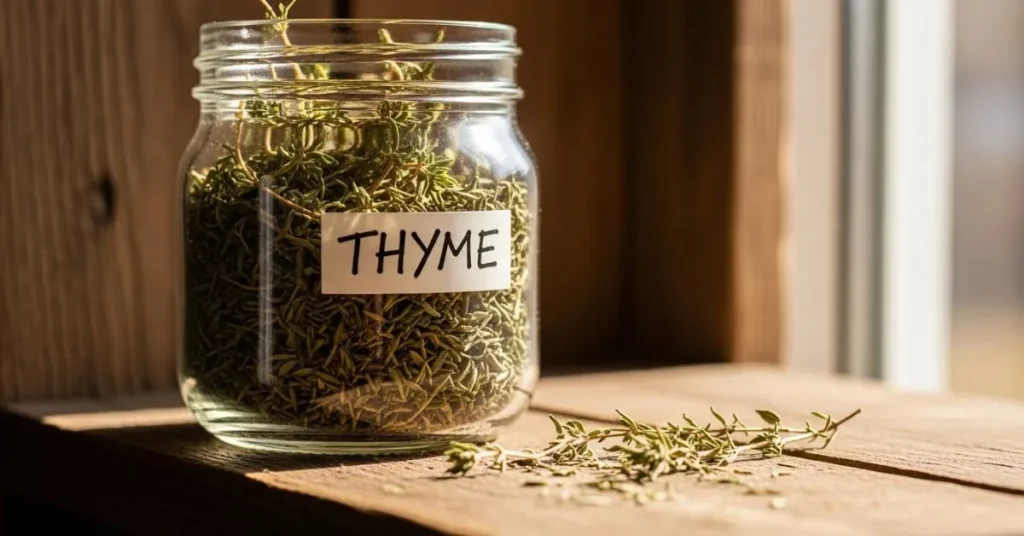
Drying is a traditional and effective method. Tie small bunches of thyme with string and hang them upside down in a cool, dark, and airy place. Once dry, crumble the leaves into jars. Dried thyme keeps its flavor for up to a year.
4. Herb Infusions
Another creative option is to make thyme-infused oil or vinegar. These not only preserve the herb but also add a gourmet touch to your kitchen.
Should You Prune Thyme After Flowering?
Yes, pruning thyme after it flowers helps keep the plant healthy. By removing faded blooms and cutting back lightly, you encourage fresh growth. In fact, regular pruning prevents thyme from becoming too woody and keeps it productive for years.
If you live in colder regions, prune lightly before frost to shape the plant, but don’t cut too close to the base. For gardeners in mild climates like southern UK or the warmer parts of the USA, thyme can remain evergreen and usable all winter.
Storing Thyme for Long-Term Use
When the season ends, you’ll want to store thyme for months to come. Here are the most reliable methods:
Dry Storage
Keep dried thyme in airtight containers, away from sunlight. Glass jars with tight lids work best.
Frozen Storage
Frozen thyme retains much of its flavor compared to dried herbs. Use vacuum-sealed bags if possible to avoid freezer burn.
Herb Butters
Mix chopped thyme with butter, form into small logs, and freeze. This is a great way to add flavor to roasted meats or vegetables.
Common Mistakes to Avoid When Harvesting Thyme
-
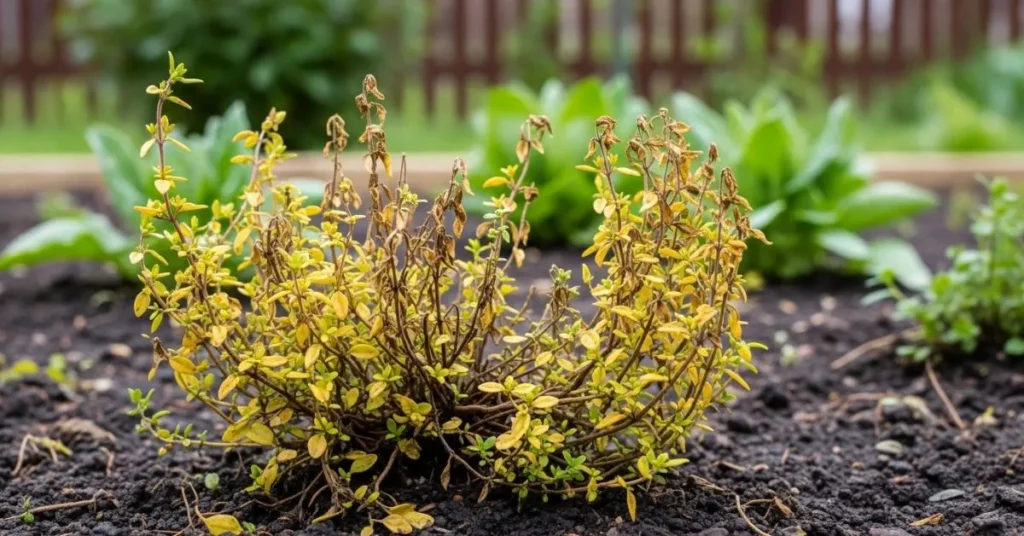
Cutting too close to the base, which can kill the plant.
-
Harvesting after heavy rain when the oils are diluted.
-
Storing fresh thyme without air circulation, which leads to mold.
-
Forgetting to label dried or frozen thyme (it looks similar to other herbs).
Avoiding these mistakes will save you time and frustration.
Expert Tips for Growing and Harvesting Thyme
If you want to keep thyme thriving year after year, remember these tips:
-
Plant thyme in well-drained soil; it hates soggy roots.
-
Give it full sun (6–8 hours daily).
-
Prune regularly to keep the plant bushy.
-
Harvest small amounts often instead of taking too much at once.
For more beginner-friendly advice, check out Gardening Tips for Beginners to get started with other easy herbs.
Related Gardening Guides
-
Preparing soil for thyme is very similar to pumpkins and other crops. Learn more in our detailed guide on Seeds and Planting.
-
Just like thyme, vegetables also need proper timing and careful harvesting. Don’t miss our guide on When to Pick Tomatoes.
-
If you want to grow herbs and vegetables in smaller spaces, check out our tips on How to Grow Vegetables in Pots.
Conclusion
Knowing how to harvest thyme and store it after the season ends is the difference between having fresh, flavorful herbs year-round or watching your plants wither without benefit. With the right timing, pruning, and storage methods, you can preserve thyme for cooking, teas, and natural remedies all winter.
Whether you choose to dry, freeze, or create thyme-infused oils, your backyard herb garden can keep rewarding you long after the growing season ends. So, grab your shears, cut carefully, and enjoy the endless flavor thyme brings.
For more guides on herbs and vegetables, explore our Vegetable Gardening section and visit our Home Page for the latest updates.
FAQs How to Harvest Thyme
[sp_easyaccordion id=”693″]