
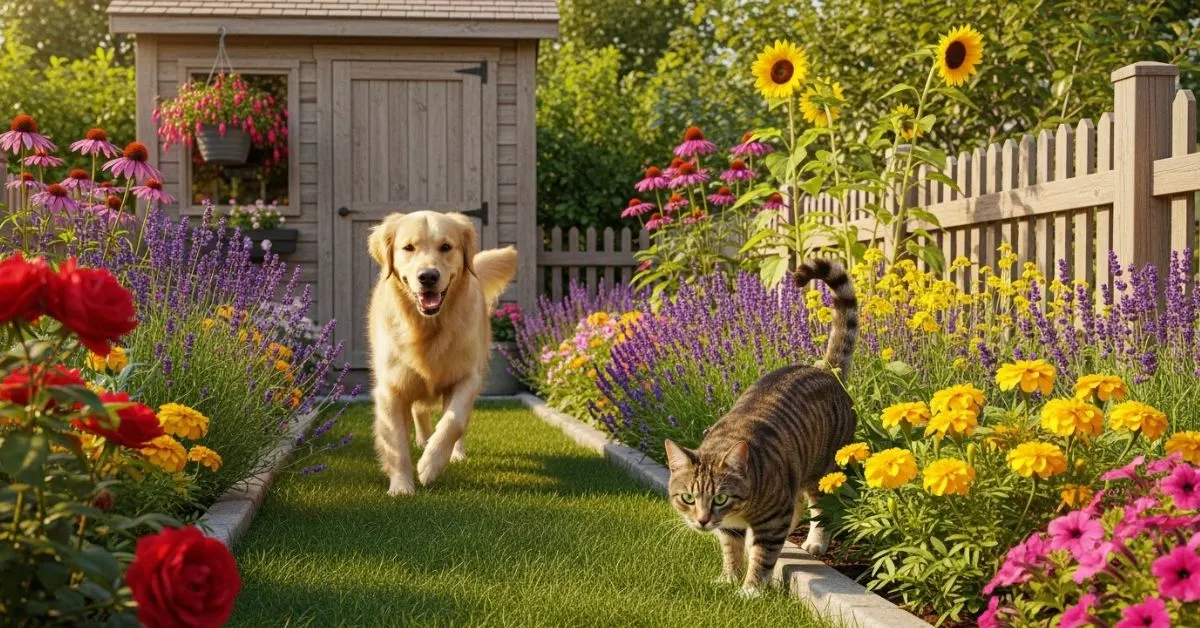
Create a Pet-Friendly Garden for Dogs and Cats
Your pets love your garden as much as you do, but not every plant or design is safe for them. The good news? With the right planning, you can design a pet-friendly garden that balances beauty with safety. From picking non-toxic plants to creating playful spaces and adding DIY features, it’s possible to enjoy a lush green space without worrying about your furry friends.
A well-planned pet garden is not just about plants. It’s about designing spaces where dogs can run freely, cats can explore safely, and both can enjoy the outdoors without harming themselves or your flowers and vegetables. Whether you have a large backyard or a small patio, you can transform your space into a safe haven.
In this guide, we’ll explore why a pet-friendly garden matters, the best non-toxic plants to grow, DIY ideas for pet zones, and even what to avoid. Along the way, you’ll also find internal resources that can help you build a thriving garden that your pets will love.
Why a Pet-Friendly Garden Matters
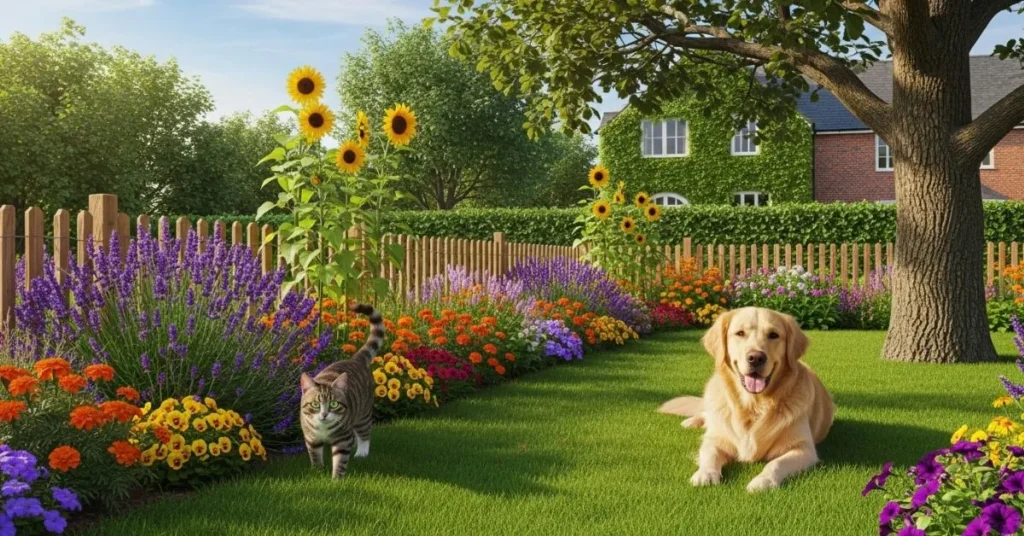
Most gardeners don’t realize how many common plants are harmful to pets. Lilies, azaleas, daffodils, and tulips are beautiful, but they can be toxic if chewed. Dogs and cats, especially young ones, are curious explorers. They love digging, sniffing, and sometimes nibbling on leaves. Without careful planning, your garden can become risky.
A pet-friendly setup reduces these dangers. Choosing pet safe garden ideas ensures your pets have a space to enjoy without the fear of poisoning or injury. Adding dog friendly backyard plants helps create safe zones where your pup can rest under the shade or dig in a designated corner. Meanwhile, safe plants for cats and dogs give peace of mind, knowing that even if your cat nibbles on leaves, they won’t get sick.
Beyond plant safety, pet gardens also minimize chemical exposure. Natural fertilizers and organic soil mixes replace toxic sprays. Fencing designs prevent pets from running into streets or flowerbeds. In short, a pet-friendly garden is about harmony: a space where humans, pets, and plants all thrive together.
Choosing Non-Toxic Plants for Pets
One of the biggest steps in designing a safe outdoor space is choosing plants wisely. Fortunately, there are plenty of pet-safe options that add color and fragrance without risk.
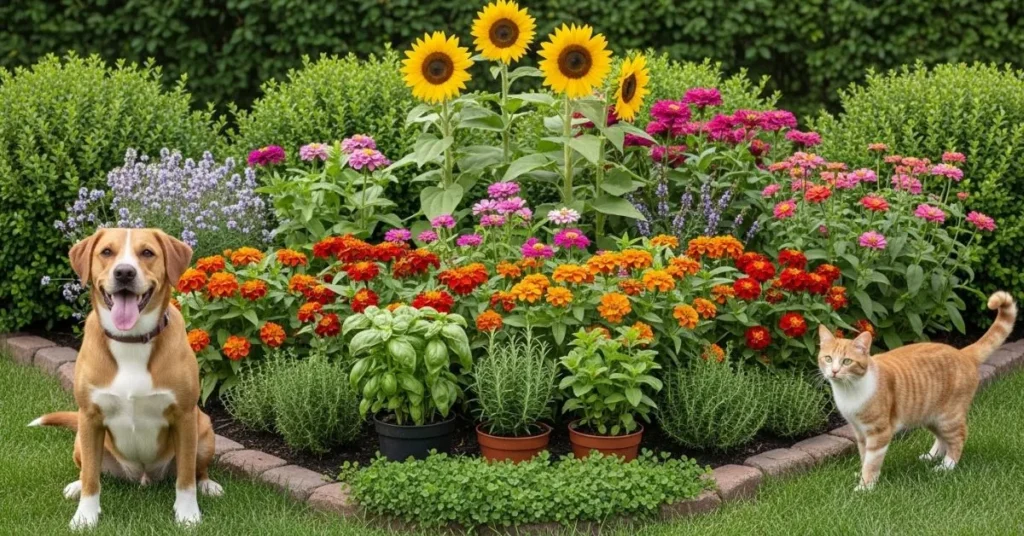
Safe Herbs for Pets: Basil, mint, thyme, rosemary, and parsley are aromatic, easy to grow, and completely safe for dogs and cats. Many of these also repel insects naturally, reducing the need for pesticides.
Pet Safe Flowers: Sunflowers, zinnias, marigolds, and snapdragons brighten your garden with vibrant colors. These blooms are hardy and safe, making them excellent for seasonal beds.
Shrubs and Ground Covers: Camellias, fuchsias, and blue daisies are excellent for filling larger spaces without endangering pets. Clover and creeping thyme also work well as ground covers, especially in pet play areas.
Herbs are a perfect start for a pet-friendly garden because they are safe, aromatic, and practical. Basil, mint, and parsley not only add fragrance but also pose no harm to pets. If you want to explore more seasonal varieties, check out our detailed guide on Flowering Annuals and Herbs. This resource helps beginners pick colorful options that brighten the garden while keeping pets safe.
By mixing herbs, flowers, and shrubs, you’ll create a garden that’s lively, low-maintenance, and safe for everyone.
Creating Safe Spaces for Pets
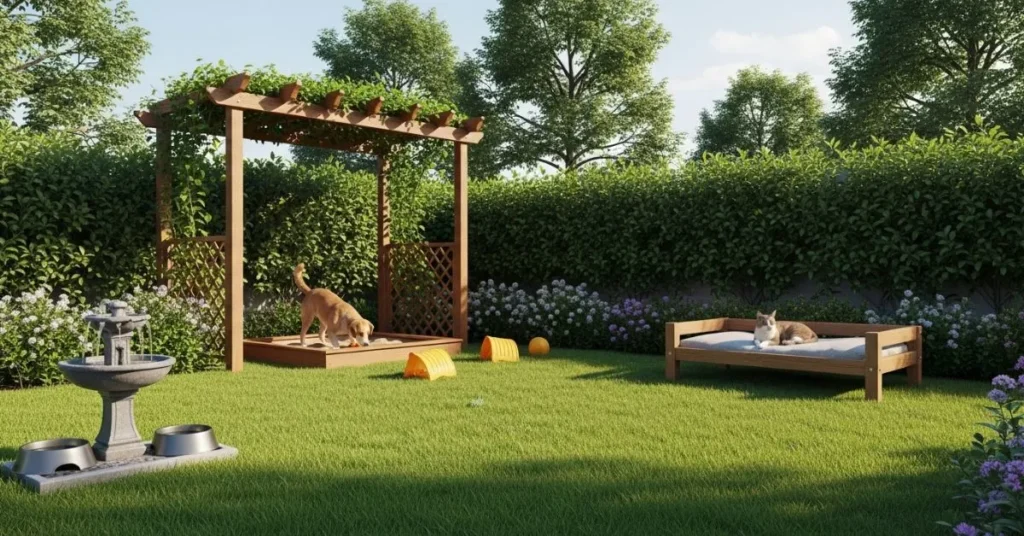
Plants are only part of the story. The real magic of a pet-friendly backyard design comes from creating dedicated zones where pets can relax, play, and feel at home.
Shaded Corners: Pets need cool areas, especially in summer. Use non-toxic shrubs or pergolas covered in safe vines to provide shade.
Digging Spots: Dogs love to dig. Instead of constantly fixing flowerbeds, give them a sandpit or a loose soil patch where digging is allowed.
Water Stations: Keep bowls of fresh water in shaded areas. Small pet-friendly fountains can add charm while ensuring hydration.
Grass Choices: Replace traditional grass with hardy, pet-tolerant types like Bermuda or ryegrass. These withstand heavy paw traffic better.
If you’re already planning to redesign your space, combining DIY landscaping with pet-friendly features can be very rewarding. Small water fountains, wooden barriers, and raised beds are great weekend projects. For step-by-step creative inspiration, visit our section on DIY Gardening Projects. You’ll find easy guides that balance beauty with safety for your pets.
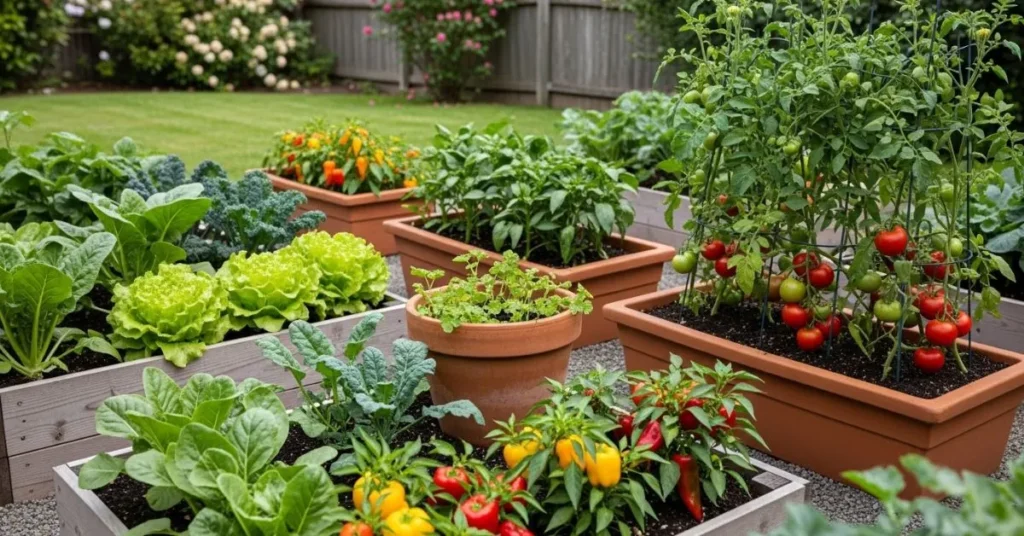
Containers and Raised Beds
Raised beds are a great solution if you want to grow vegetables safely with pets. They keep plants out of reach from curious paws and make it harder for pets to trample delicate greens.
Advantages of Raised Beds:
-
Better soil control.
-
Easier to manage weeds.
-
Protects vegetables from pet interference.
Container gardening is another excellent choice. Tomatoes, peppers, spinach, and even strawberries thrive in pots. You can move them around depending on light and season, while keeping pets away from sensitive crops.
Container gardening is another clever way to keep edible plants safe from playful paws. Tomatoes, peppers, and leafy greens grow very well in pots. If you’re interested in mastering this technique, our detailed post Grow Vegetables in Pots explains everything from soil mix to watering schedules. It’s a must-read for pet owners who want fresh harvests without risking plant damage.
What to Avoid in a Pet-Friendly Garden
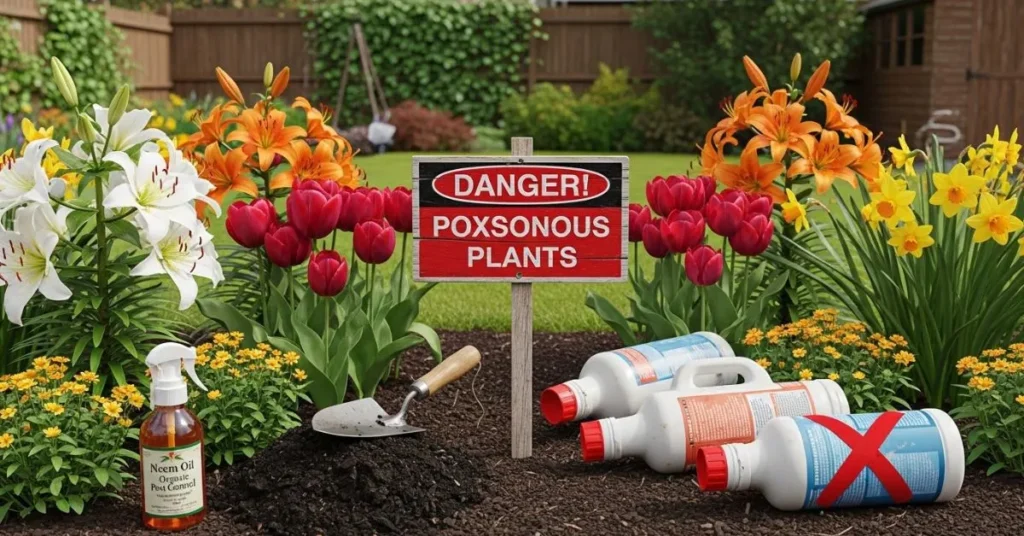
While designing a safe garden, it’s equally important to know what not to include. Many plants and chemicals are dangerous to pets.
Toxic Plants for Dogs and Cats: Lilies, daffodils, tulips, azaleas, sago palms, and foxgloves should be avoided. These can cause vomiting, diarrhea, or worse.
Chemical Fertilizers and Pesticides: Many commercial sprays contain harmful ingredients. Switch to organic compost, neem oil, or homemade pest repellents instead.
Sharp Materials: Wire fencing, thorny shrubs, or jagged stones can injure curious pets. Use smooth-edged barriers and pet-friendly mulch instead.
While adding vegetables to your garden is exciting, timing matters. Tomatoes, for instance, are safe when ripe but their leaves and unripe fruits can upset a pet’s stomach. To avoid mistakes, see our guide on When to Pick Tomatoes. It explains the best harvest time, so you enjoy healthy tomatoes while keeping your pets safe.
Adding Variety for Seasonal Interest
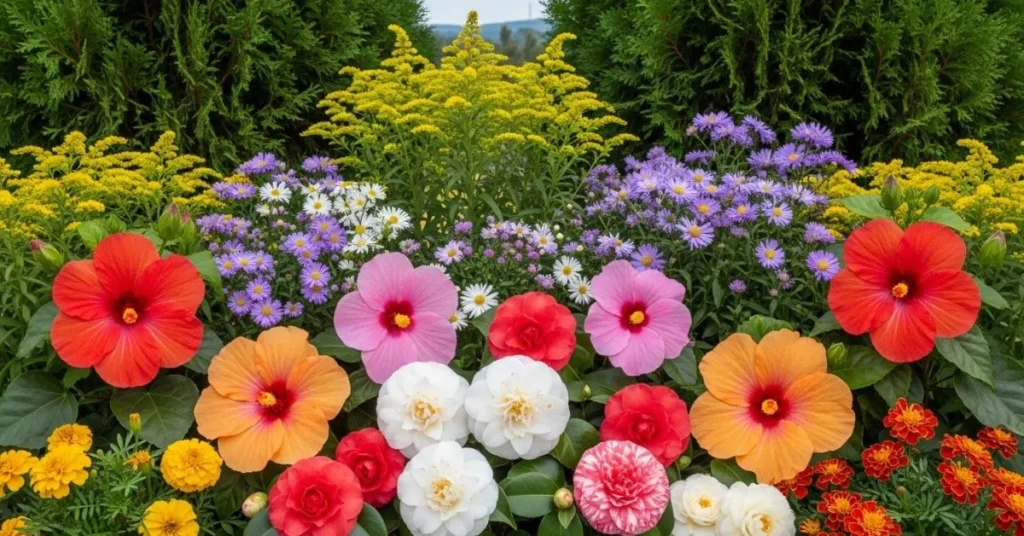
A pet-friendly garden doesn’t have to be plain. You can still enjoy a colorful, vibrant space by adding shrubs and flowers that bloom across different seasons.
Safe shrubs like camellias or hibiscus add long-lasting beauty without endangering pets. Autumn-flowering plants bring late-season color, while evergreens keep your garden fresh year-round.
If you want to add long-lasting beauty without harming pets, consider shrubs that flower across seasons. Many autumn-flowering shrubs provide safe color and fragrance. For ideas, explore our post 25 Autumn Flowering Shrubs for Every Garden. It’s a great resource for selecting safe yet striking options.
Seeds and Starting Fresh
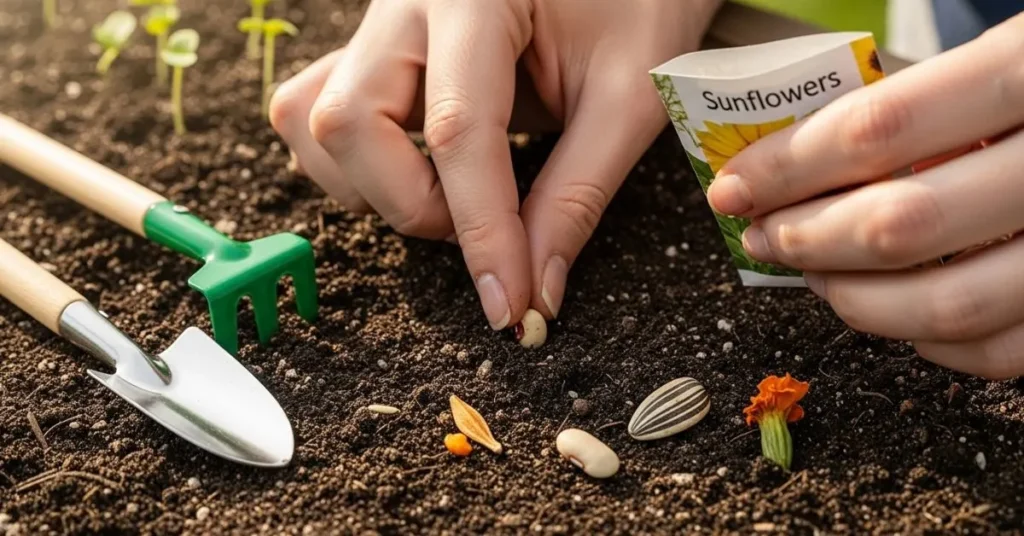
If you’re starting your garden from scratch, seeds are the best way to ensure control. Choosing the best seeds for pet safe gardens means you’ll avoid introducing toxic plants accidentally.
Safe options include beans, carrots, sunflowers, calendula, and marigolds. These not only thrive in most conditions but are also hardy against playful paws.
If you’re starting from scratch, choosing the right seeds makes all the difference. Hardy, non-toxic options like beans, carrots, and marigolds are a good beginning. For more inspiration, check out our comprehensive guide on Best Seeds to Plant. It covers seasonal picks that thrive in home gardens while being safe for pets.
Conclusion
Designing a pet-friendly garden is about more than just planting safe flowers. It’s about creating harmony, where pets can play freely, plants grow without damage, and homeowners enjoy a colorful, stress-free space. By focusing on non-toxic plants, safe DIY features, and raised beds, you can craft a backyard that’s as welcoming for your pets as it is for you.
Remember, start small. Add a few pet-safe plants, set up a shaded corner, or experiment with containers. Over time, you’ll see your pets enjoying the garden in ways that make the effort worthwhile.
For more inspiration, explore our categories on Flowers and Plants or head to our Home Page for guides that help you create a thriving, safe garden for every season.
FAQs About Pet-Friendly Gardens
[sp_easyaccordion id=”614″]