
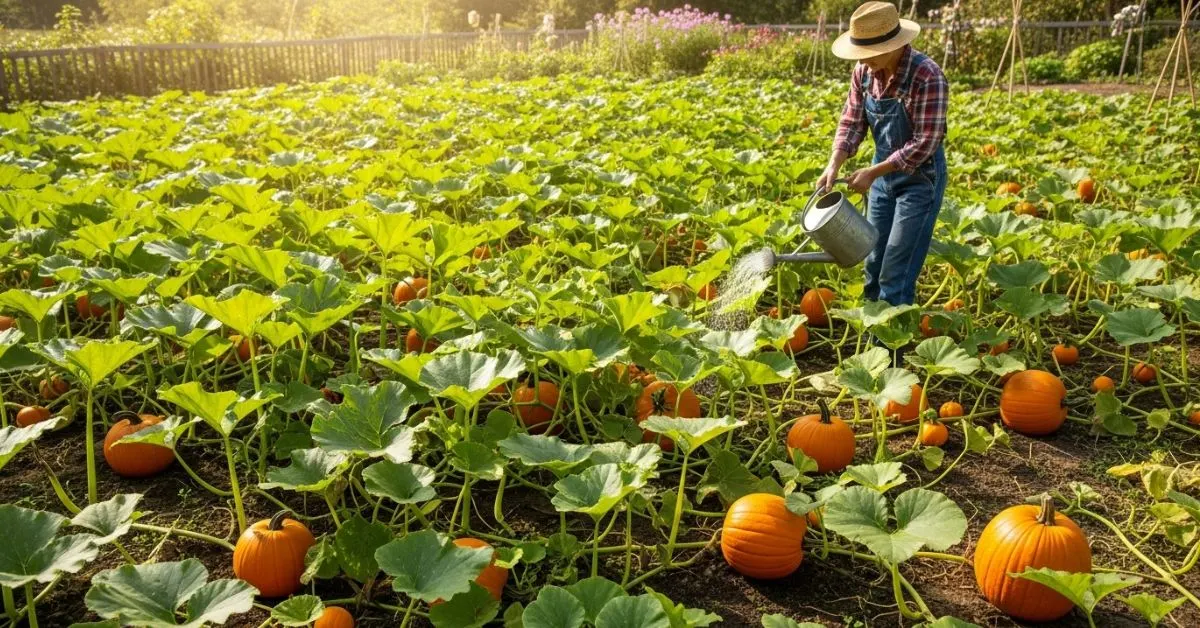
How to Grow Pumpkins: A Simple Guide for a Thriving Backyard Patch
Pumpkins are more than just a Halloween decoration, they’re fun to grow, delicious to eat, and can brighten up your garden. Learning how to grow pumpkins properly can give you fresh, homegrown pumpkins for pies, soups, carving, and even fall décor.
Even a small backyard can become a thriving pumpkin patch if you follow the right steps. From choosing seeds to planting, watering, and harvesting, these tips to grow pumpkins will help you enjoy a successful crop.
Understanding Pumpkins and Their Needs
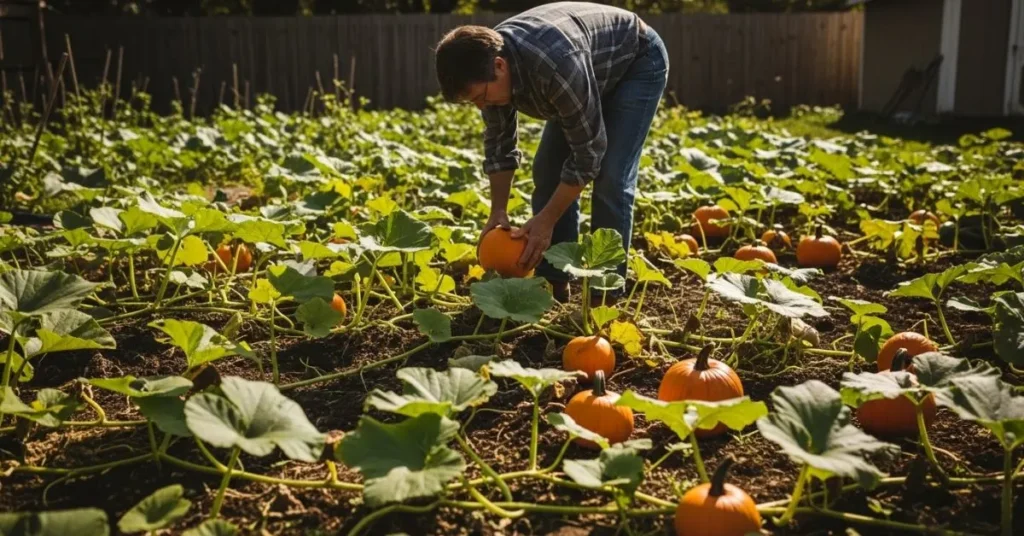
Before you start, it’s important to know what pumpkins need to grow:
-
Sunlight: At least 6–8 hours of direct sun daily.
-
Soil: Rich, well-drained soil with slightly acidic to neutral pH.
-
Space: Vines spread widely, so leave 3–5 feet between hills.
-
Growing season: Most pumpkins need 75–120 days to mature, depending on the variety.
Following these basic rules is essential if you want to know how to grow pumpkins successfully.
Why You Should Grow Pumpkins in Your Backyard
Growing pumpkins at home has several benefits:
-
Fresh and tasty: Homegrown pumpkins are perfect for pies, soups, and roasting.
-
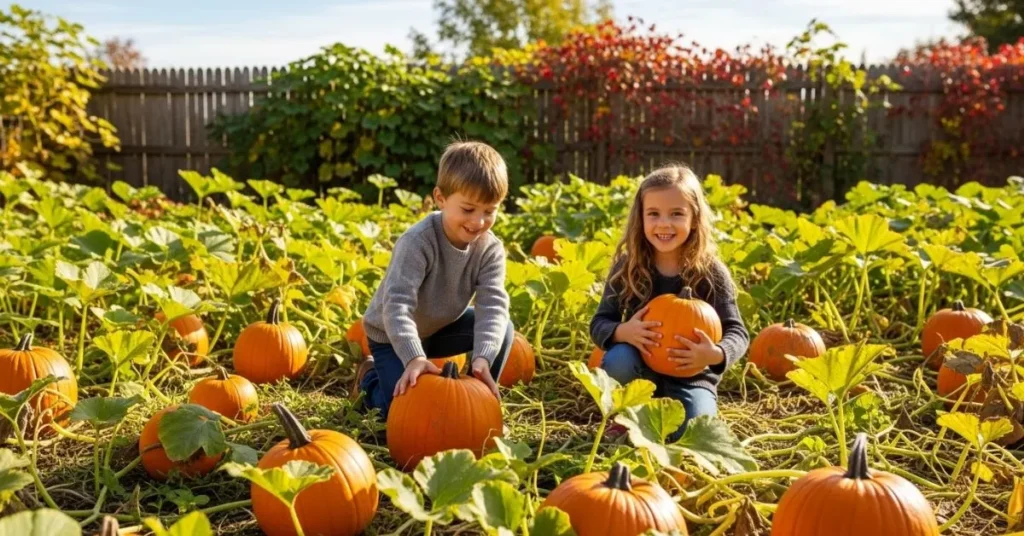
Fun for kids: Planting and harvesting pumpkins is a great family activity.
-
Decorative: Pumpkins add color to your garden and can be used for fall décor.
-
Sustainable: You control soil, water, and fertilizers, avoiding chemicals.
Backyard pumpkin growing is rewarding, educational, and visually appealing. You can also check Seeds and Planting for more seasonal planting ideas.
Choosing the Best Pumpkin Varieties
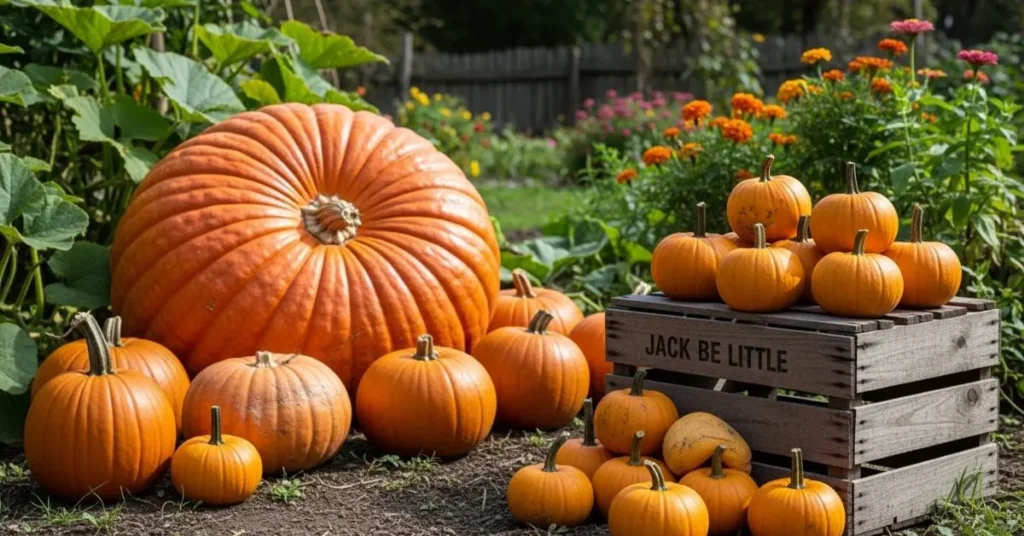
Not all pumpkins are the same. The best pumpkin varieties depend on what you want:
-
Small pumpkins: Mini pumpkins like Jack Be Little are ideal for decorating.
-
Large pumpkins: Atlantic Giant works well if you want to carve big pumpkins.
-
Sweet pumpkins: Pie pumpkins are perfect for baking.
Selecting the right seeds is one of the most important steps in how to grow pumpkins because it affects both the ease of growing and the final harvest.
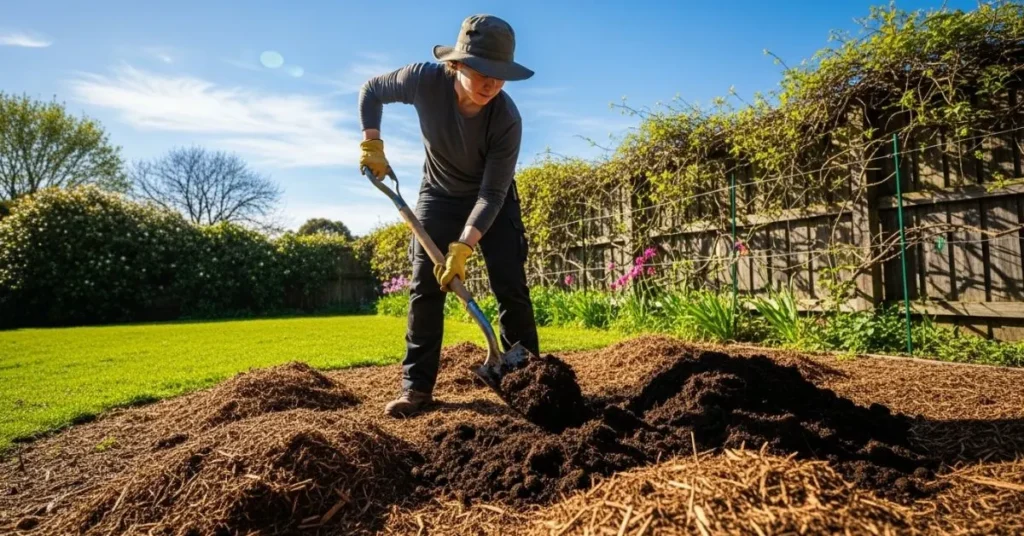
Preparing Your Backyard for Pumpkins
Pumpkins grow best in well-prepared soil:
-
Add compost or organic matter to improve soil fertility.
-
Ensure the soil is well-drained and slightly acidic to neutral.
-
Choose a sunny spot with at least 6–8 hours of light.
-
Space hills 3–5 feet apart, and rows 6–10 feet apart for larger varieties.
Mulching helps retain moisture and control weeds. Following these tips to grow pumpkins ensures a strong and healthy pumpkin patch.
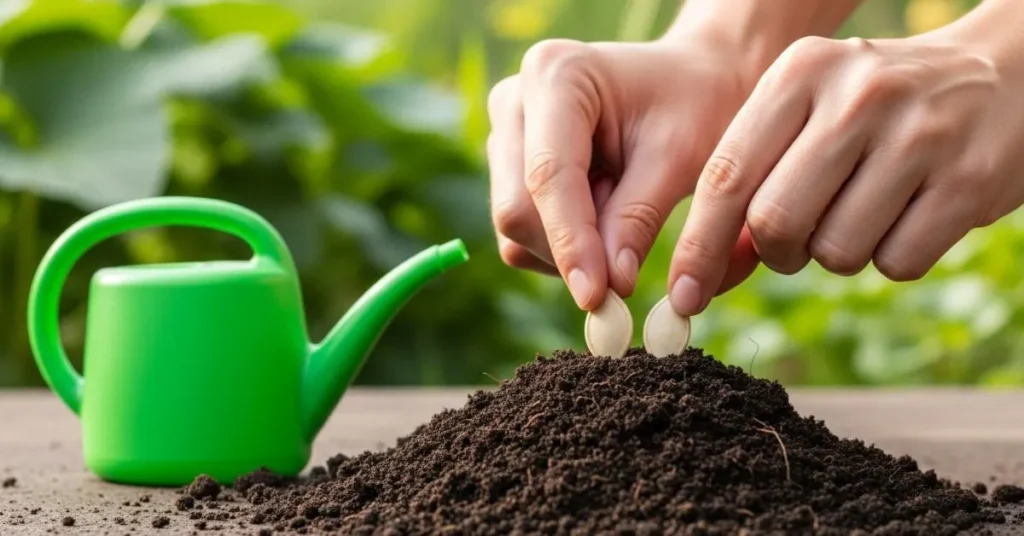
Planting Pumpkin Seeds
You can start seeds indoors or plant them directly outdoors:
-
Indoor starting: Gives a head start in cooler climates.
-
Direct sowing: Works well after the last frost.
Plant 2–3 seeds per hill and thin to the strongest seedling. Proper pumpkin seed spacing is important for healthy growth.
For more guidance, see Best Seeds to Plant. Proper planting is a key step in how to grow pumpkins successfully.
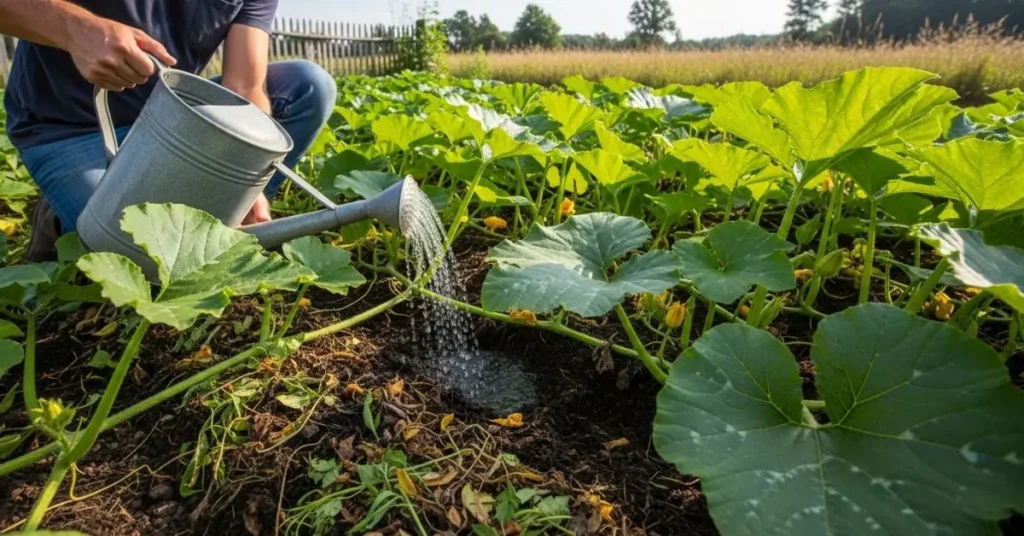
Watering and Fertilizing Pumpkins
Pumpkins need deep watering:
-
Water at the base once or twice a week.
-
Avoid wetting leaves to prevent disease.
-
Feed with compost tea or organic fertilizer for steady growth.
Overwatering can rot roots, and underwatering slows fruit development. These tips to grow pumpkins ensure strong vines and healthy fruits. Use consistent watering pumpkins practices for the best results.
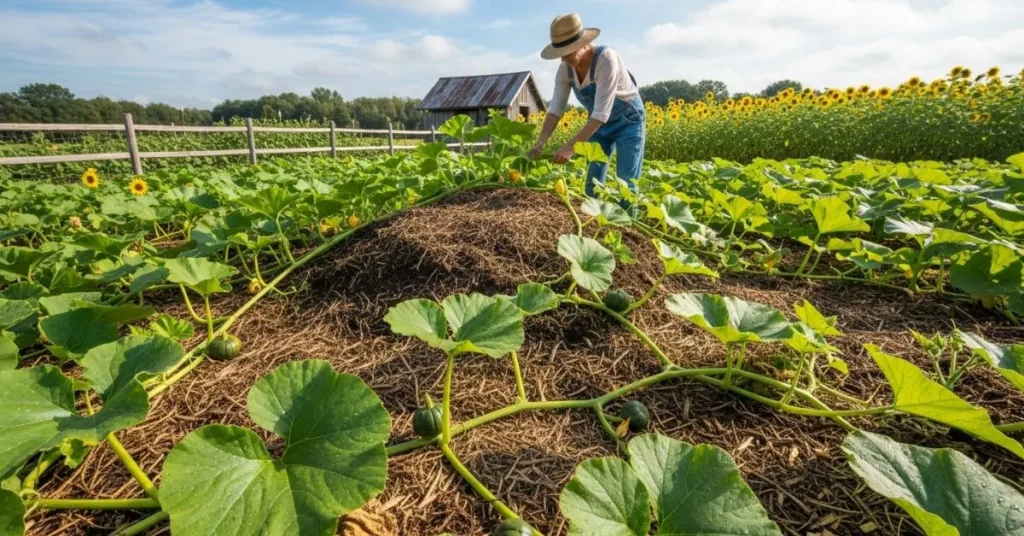
Caring for Pumpkin Vines
Pumpkin vines need attention as they grow:
-
Train vines to spread outward.
-
Mulch around plants to retain soil moisture and reduce weeds.
-
Watch for pests like squash bugs or powdery mildew.
Backyard pumpkin pest control is important. Proper pumpkin vine care ensures healthy growth and larger fruits. Like tomatoes, pumpkins benefit from regular monitoring. See When to Pick Tomatoes for related timing advice.
Harvesting and Storing Pumpkins
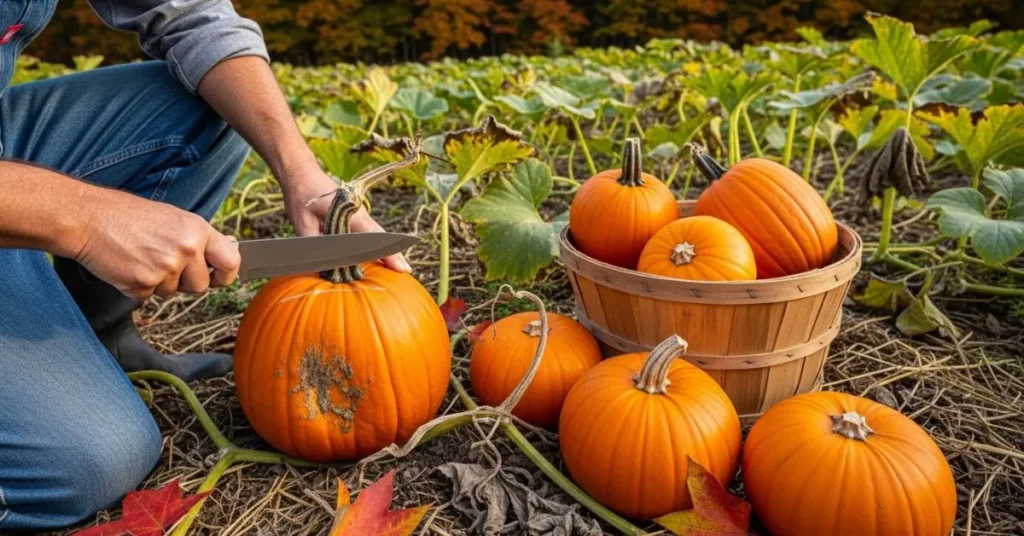
Pumpkins are ready to harvest when:
-
The skin is hard and the rind has a deep color.
-
The stem starts to dry and harden.
Cut pumpkins with a few inches of stem and cure them in a dry, warm place for about 10 days. Then store in a cool, dry area. Following these tips to grow pumpkins helps you enjoy them longer. Learn more at Grow Vegetables in Pots. Proper storage is an essential part of how to grow pumpkins.
Creative Ways to Use Pumpkins
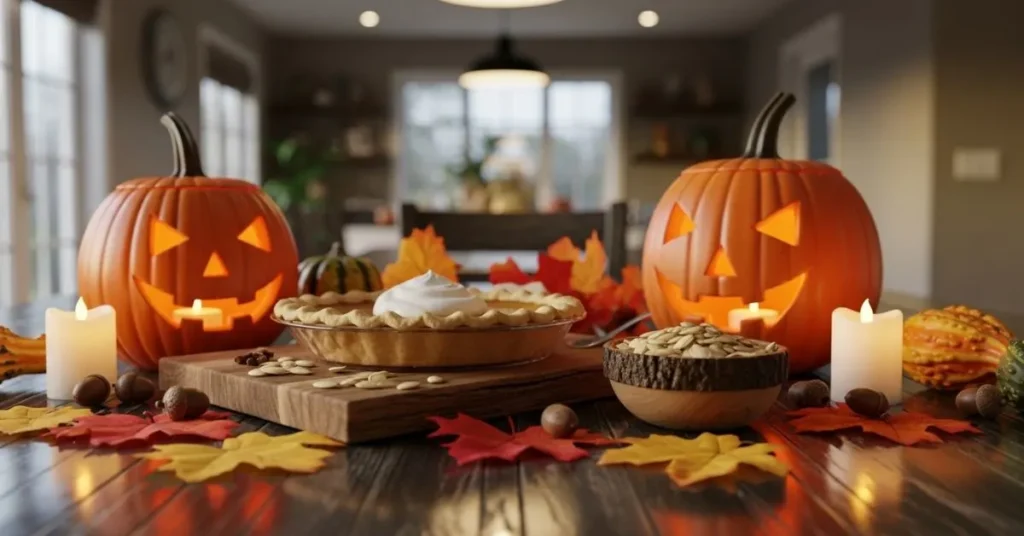
Pumpkins are versatile and can be used for:
-
Cooking: Make pies, soups, or roast seeds.
-
Decor: Use them for fall centerpieces or Halloween displays.
-
Fun activities: Paint or craft with mini pumpkins.
Using these tips to grow pumpkins helps you make the most of your harvest, from recipes to décor.
Conclusion
Backyard pumpkin growing is fun, rewarding, and delicious. Following these tips to grow pumpkins and knowing how to grow pumpkins properly ensures a healthy patch, big fruits, and a successful harvest. Experiment with different varieties, enjoy your pumpkins in cooking and decorating, and make your fall season colorful.
For more ideas, visit Vegetable Gardening and our Home Page. Start growing pumpkins today and enjoy a vibrant fall garden!
FAQs for How to Grow Pumpkins
[sp_easyaccordion id=”638″]